

Can Fat Burning Peptide Injections be used for reducing post - pregnancy belly fat?
If you’ve spent the last few months (or even years) navigating the rollercoaster of post-pregnancy body changes, you’re not alone. Postpartum belly fat is one of the most common and frustrating side effects of carrying a child—hormone shifts, stretched abdominal muscles, and sleep-deprived lifestyle adjustments can make it feel like those extra pounds are here to stay. As a supplier of fat burning peptide injections, I hear from new mamas every week asking the same question: can these peptides actually help reduce stubborn post-pregnancy belly fat, or are they just another overhyped trend? Let’s break this down with the science, real-world context, and what you need to know before considering this as part of your journey.
First, it’s critical to distinguish between the different types of post-pregnancy belly fat, because not all fat is the same. After giving birth, many women have a mix of subcutaneous fat (the soft, pinchable fat just under the skin, often in the lower abdomen) and visceral fat (the deeper fat that wraps around organs, which is linked to metabolic health). Hormones like cortisol (the stress hormone from new parenthood), progesterone, and estrogen play a huge role here—progesterone can slow metabolism and store fat in the abdominal area, while cortisol tends to trigger cravings for high-sugar, high-fat comfort foods that add to that stubborn layer. Traditional diet and exercise are the first-line treatment for reducing this fat, but for some, that’s not enough. That’s where many turn to peptide-based options, and it’s important to approach this with clear, evidence-based information rather than anecdotes or social media hype.

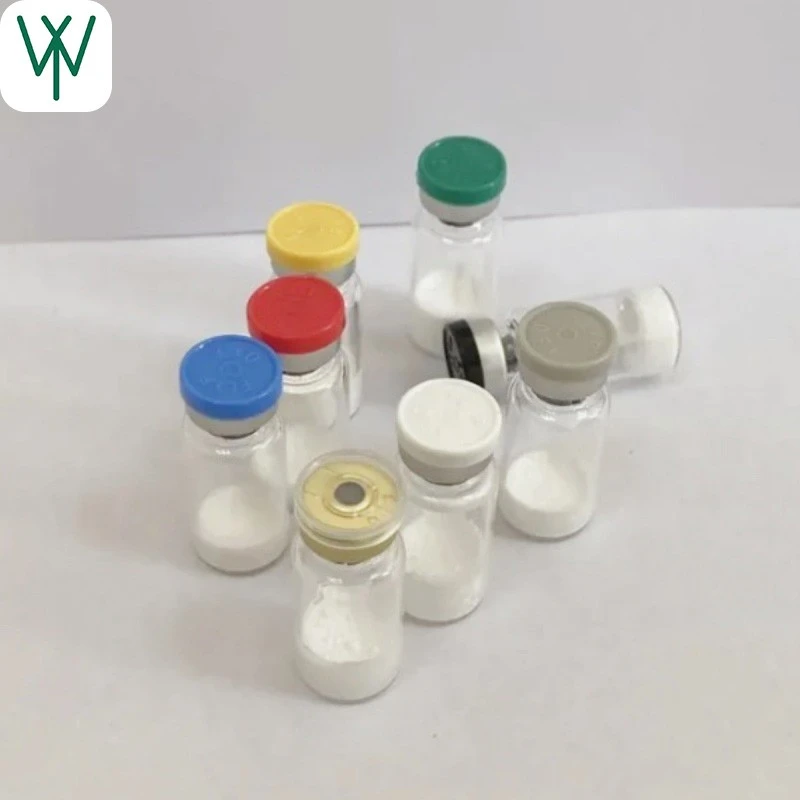
Let’s start with the basics: what are fat burning peptides? Peptides are short chains of amino acids that act as signaling molecules in the body, communicating with cells to regulate processes like metabolism, fat breakdown, and hormone production. For weight loss, specific peptides target pathways that help the body burn stored fat, reduce appetite, and improve metabolic function. This is why many people interested in evidence-backed weight loss tools research pages like Most Effective Peptide for Fat Loss to understand which options have the strongest clinical data. When it comes to post-pregnancy use, though, there’s an extra layer of consideration: many peptides affect hormone levels, and new mamas who are breastfeeding need to be particularly cautious about anything that might pass through breast milk. That’s why I always emphasize that peptide use should never be without consulting a healthcare provider, especially for those who are still nursing.
Now, let’s talk about the science behind peptides and post-pregnancy belly fat. One of the most widely studied peptides for fat loss is tirzepatide, which works by targeting both GLP-1 and GIP receptors in the brain and digestive system to reduce appetite, slow gastric emptying, and boost metabolism. Clinical trials for tirzepatide have shown significant weight loss in adults with obesity, and for many women, this can translate to reducing the stubborn abdominal fat that’s so hard to shift post-pregnancy. For example, in a 2022 trial published in the New England Journal of Medicine, participants taking tirzepatide lost up to 22.5% of their body weight over 72 weeks, with a large portion of that coming from visceral and subcutaneous abdominal fat. If you’re considering this option, you can learn more about specific formulations like Tirzepatide 20mg 10 Vials Powder Weight Loss to understand how it’s dosed and administered safely.
Another peptide that’s gained attention in recent years is retatrutide, which works by targeting three receptors (GLP-1, GIP, and glucagon) to enhance fat burning and satiety. Early clinical data for retatrutide shows even greater weight loss results than tirzepatide, with many users reporting reduced cravings and easier adherence to a healthy diet. For those looking for high-purity options, 99% Purity Retatrutide 15mg Peptide Powder is a common choice, as purity is a key factor in ensuring safety and efficacy for any peptide treatment. When considering peptide-based weight loss for post-pregnancy, it’s important to work with a provider who can help you choose the right formulation based on your individual needs, health history, and whether you’re breastfeeding.
But here’s the part that’s often overlooked: peptides are not a “magic bullet” for post-pregnancy belly fat. The most successful outcomes come when peptides are combined with healthy lifestyle changes—nutrient-dense eating, gentle exercise (like pelvic floor and core work, which is often weakened post-pregnancy), and adequate sleep. This is why many people follow a structured Peptide Weight Loss Program, which pairs peptide administration with personalized diet and exercise plans to maximize results while supporting overall health. For new mamas, this is especially important because sleep deprivation and nutrient gaps can hinder weight loss even when using peptides, so a holistic approach is key.
I know what some of you are thinking: “I just want to get my body back after giving birth, and these peptides sound like they’ll help me do that fast.” But it’s crucial to set realistic expectations. Most peptide treatments for weight loss result in 5-15% of body weight loss, not 50 pounds in a month. For post-pregnancy bodies, healing is the first priority—your body went through a major transformation, and pushing too hard too fast can lead to burnout or even health complications. Peptides can help jumpstart fat loss once you’re cleared by your OB/GYN, but they work best when paired with patience and self-compassion.
There are also important safety considerations that can’t be ignored. While peptides are generally well-tolerated when administered correctly by a healthcare provider, some people may experience side effects like nausea, headache, or mild digestive issues, especially in the first few weeks of treatment. For breastfeeding mamas, there is limited research on how peptides pass into breast milk, so most healthcare providers will recommend waiting until you’re done nursing before starting peptide treatments. For non-breastfeeding mamas, choosing high-quality peptides from a reputable supplier is non-negotiable—low-purity or improperly stored peptides can be ineffective or even harmful, which is why we prioritize third-party testing for all our products. If you’re new to peptides, starting with a consultation with a provider who specializes in hormone health and weight management is the first step to ensuring you’re using them safely.
Let’s also address some of the common misconceptions about peptides and post-pregnancy weight loss. Some social media posts claim that peptides can “target” belly fat specifically, but the reality is that fat loss is systemic—your body burns fat from all areas, not just the belly, though abdominal fat tends to be one of the first areas where noticeable changes occur. This is especially true for women post-pregnancy, where hormonal shifts make abdominal fat more metabolically active and responsive to treatments that regulate metabolism. Another misconception is that peptides are only for people who have a lot of weight to lose—even women who are close to their pre-pregnancy weight but still struggle with that last layer of belly fat can benefit from peptides, as they help improve the body’s ability to burn stored fat and regulate appetite.
For anyone considering peptide treatments for post-pregnancy belly fat, I recommend doing your research on Peptides for Weight Loss to understand the different options, their clinical data, and how they work. It’s also important to have a thorough conversation with your healthcare provider to rule out any contraindications, especially if you have a history of hormone-related conditions or other health issues. When you do start treatment, be consistent with the dosing, pair it with healthy habits, and give your body time to adjust—most people start noticing changes in 4-8 weeks, but significant results usually take 3-6 months.
As a supplier of fat burning peptide injections, my goal is always to provide accurate, honest information to help new mamas make the best decision for their bodies. I know how overwhelming post-pregnancy life is, and I don’t want anyone to feel like they have to navigate this alone. If you’re interested in learning more about peptide options for your post-pregnancy weight loss journey, we welcome you to reach out for a confidential consultation to discuss your needs and questions. Our team can provide detailed information about our products, dosing guidelines, and how to work with a healthcare provider to create a safe, effective plan that supports your health and weight loss goals.
References
- Surampudi, A., et al. (2022). Tirzepatide versus Semaglutide for Weight Management in Adults with Obesity. New England Journal of Medicine, 387(2), 107-117.
- Wilding, J. P. H., et al. (2021). Once-Weekly Semaglutide in Adults with Overweight or Obesity. New England Journal of Medicine, 385(11), 961-972.
- Apovian, C. M., et al. (2023). Retatrutide for Obesity – A Phase 2 Randomized Trial. New England Journal of Medicine, 388(15), 1382-1393.
- American College of Obstetricians and Gynecologists. (2020). Postpartum Care Guidelines: Weight Management and Lifestyle Changes.
- Müller, T. D., et al. (2021). The Role of Peptides in Metabolic Regulation and Weight Loss. Nature Reviews Endocrinology, 17(10), 605-622.