

Can the Tirzepatide vial peptide dosage be used in patients with a history of pancreatitis?
Hey everyone, thanks for stopping by today. I’m gonna keep this real—we get a ton of questions from people (and even some clinicians) about Tirzepatide, especially when it comes to folks who’ve had pancreatitis in the past. As a peptide supplier, I field so many inquiries about how our Tirzepatide 10mg 15mg 30mg 60mg Vial works for different patient backgrounds, and pancreatitis history is one of the most common we get. Let’s break this down like we’re chatting over coffee, no stuffy jargon overload.
First, let’s recap quick: Tirzepatide is that GLP-1/GIP dual agonist, right? It’s been a game-changer for weight management and type 2 diabetes, but safety is everything, especially when there’s a pre-existing condition like pancreatitis. Pancreatitis is inflammation of the pancreas—super painful, can be mild or really severe, and some people have recurring episodes. The last thing anyone wants is a medication that spikes that risk, so it makes total sense to ask if our Tirzepatide vial dosage is even on the table here.
Let’s start with the data we have. The clinical trials for Tirzepatide (you know, the big SURMOUNT program) did track pancreatitis as an adverse event, and I wanna be transparent here—they did see a small number of cases in trial participants. Wait, but here’s the key: most of those cases were in people who already had risk factors for pancreatitis, like high triglycerides, a history of gallstones, or heavy alcohol use. So it’s not just the Tirzepatide itself, it’s stacking risk factors. Now, does that mean everyone with a past pancreatitis case should avoid it? Not exactly, but it’s definitely a red flag that needs close evaluation.
Here’s where we tie in our products a little (since we’re the Tirzepatide vial peptide dosage supplier, that’s our lane). Our vials come in different strengths: 10mg, 15mg, 30mg, 60mg—all lyophilized powder that’s properly processed for purity, which matters a lot because peptide impurities can mess with safety too. Speaking of other peptides, if someone’s not a fit for Tirzepatide, we also have Fat Burning Peptide Injections that clinicians might suggest as alternatives, but I’m focused on Tirzepatide for today’s convo.
Now, let’s talk about what clinicians actually do when a patient has a pancreatitis history. First step: they’ll review the type of pancreatitis—was it acute (one-time) or chronic (ongoing)? What caused it? Was it gallstones, meds, high triglycerides, idiopathic (unknown), or something else? Triglycerides are a big one here—if someone had pancreatitis because their triglycerides were through the roof, that’s a much bigger risk factor than a one-time episode from a medication. They’ll also check if the pancreatitis resolved fully, no ongoing pancreatic issues like exocrine or endocrine dysfunction.
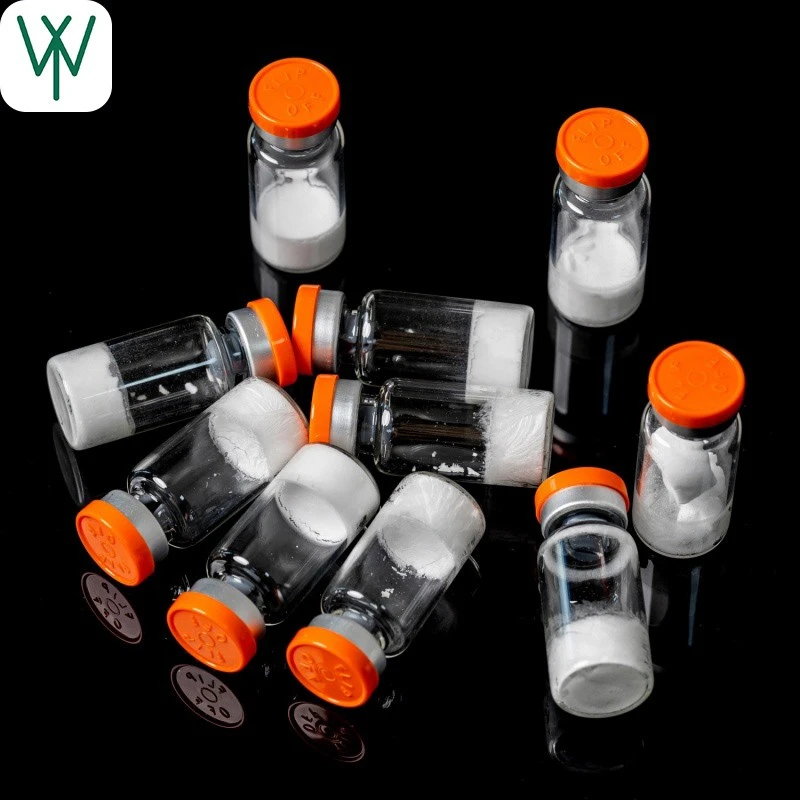

Next, the dose. From what we’ve seen in clinical practice, starting low and titrating slow is non-negotiable here. Our Tirzepatide vial powder is designed to be reconstituted at precise doses, so clinicians can start with the lowest effective dose (usually 2.5mg, then go up slowly) instead of jumping straight to higher strengths like 10mg or more. Rushing the dose is how you might spike inflammation, so that careful titration is key for anyone with a past pancreatitis. Also, monitoring is huge—if a patient has a history, their doctor will probably check pancreatic enzymes (amylase and lipase) regularly while they’re on the peptide, so they can catch any early signs of inflammation before it becomes a full-on pancreatitis episode.
Wait, but let’s get real about the risks. The FDA label for Tirzepatide does put a warning about pancreatitis, right? So it’s not a “no risk” thing for anyone, but that risk is higher in people with prior pancreatitis. But that doesn’t mean it’s automatically off-limits. A lot of times, clinicians will weigh the benefits: if someone has severe obesity that’s impacting their health (like sleep apnea, diabetes, joint pain), and the benefits of Tirzepatide for weight loss and metabolic health outweigh the small potential risk, they’ll consider it—but only after clearing it with the patient’s gastro team or primary care provider who knows their full history.
Also, let’s address a common myth: some people think all peptide weight loss stuff is the same, but that’s not true. Purity matters a ton. We make sure our Tirzepatide 10mg 10 Vials Peptide Powder is 99% pure, so there’s no extra junk in the vial that could irritate the pancreas. Impurities in peptides have been linked to adverse reactions before, so that’s why we prioritize that—our customers (clinicians and compounding pharmacies) tell us that’s a big reason they work with us.
What about alternatives if someone’s pancreatitis history makes Tirzepatide too risky? We’ve got other options in our weight loss peptide lineup, like Cagrilinitide 5mg 10mg Compound Lyophilized Powder which is another GLP-1 agonist, and even 99% Purity Retatrutide 15mg Peptide Powder (that’s the triple agonist, super popular lately). But again, today’s topic is specifically about Tirzepatide, so just know we’ve got options if it’s not the right fit.
Another thing to keep in mind: lifestyle factors play a huge role here. If someone with a past pancreatitis is on Tirzepatide, their doctor will definitely advise them to keep their triglycerides in check, avoid excessive alcohol, stay hydrated, and follow a low-fat diet as needed. These aren’t just random tips—they’re to lower the overall risk of pancreatic issues while on the peptide. I’ve heard from a few compounding pharmacy clients that they’ll even add those lifestyle guidelines to their patient education when they dispense our Tirzepatide vials, which makes total sense.
Wait, let’s touch on what happens if someone on Tirzepatide has a recurrence of pancreatitis. The protocol is usually to stop the peptide immediately, right? Because continuing it could make the inflammation worse. Then they’ll work to figure out what caused it—was it dose too high, rising triglycerides, something else? If it was a dose-related issue, sometimes they’ll try again at a lower dose later, but only with close monitoring. If it’s from another underlying factor, they’ll address that first before considering any peptide weight loss treatment.
I also want to make sure I’m not overstating or understating the risk. Let’s put it in perspective: in the SURMOUNT trials, the rate of pancreatitis was like 0.3% in the Tirzepatide groups vs 0.2% in the placebo group. That’s small, but it’s still higher, and that’s why the warning is there. For people with prior pancreatitis, that risk might be a little higher, but it’s not a guarantee. The key is shared decision-making between the patient, their endocrinologist, and their gastroenterologist—no one is making this call alone.
As a supplier, I’m not a medical professional, so I can’t give clinical advice, but what I can say is that our Tirzepatide vial peptide dosage is a trusted product that clinicians use when they’ve weighed the risks and benefits for their patients, including those with a history of pancreatitis, as long as they follow the recommended guidelines: low starting dose, slow titration, regular enzyme monitoring, and addressing any underlying risk factors.
If you’re a clinician or someone who works with peptides (compounding pharmacy, weight loss clinic) and you have questions about our Tirzepatide vials, or any of our other peptides like those linked here, feel free to reach out to our team to talk through what you need. We’re here to provide high-quality, pure peptides that support safe patient care, so don’t hesitate to connect with us for procurement or technical questions.
Wait, let me wrap this up quick to make sure it’s all natural. The bottom line is: Tirzepatide isn’t automatically off-limits for people with a past pancreatitis, but it’s not a first-line choice either. It requires careful evaluation of their specific case, close monitoring, and proper dosing with a high-purity product. If you’re in the space of sourcing peptides for clinical use, we’ve got you covered with our range, from Tirzepatide 10mg 15mg 30mg 60mg Vial to our other options. Hit us up to discuss your procurement needs—we’re here to help.
References
- U.S. Food and Drug Administration. (2023). Tirzepatide (Zepbound) prescribing information. Retrieved from FDA.gov
- SURMOUNT-1 Study Group. (2022). Tirzepatide for weight management in adults with obesity or overweight. New England Journal of Medicine, 387(11), 994-1005.
- American Gastroenterological Association. (2021). Clinical practice update: management of acute pancreatitis. Gastroenterology, 161(3), 1000-1010.
- American Diabetes Association. (2024). Standards of medical care in diabetes—2024. Diabetes Care, 47(Suppl 1), S1-S206.
- DeFronzo, R. A., et al. (2022). Tirzepatide, a dual GIP and GLP-1 receptor agonist, improves glycemic control and weight in type 2 diabetes: a randomized, controlled trial. Lancet, 399(10331), 1240-1251.