

How does Retatrutide Compound Powder 10mg Vial Peptide interact with the blood - brain barrier?
Hey everyone, thanks for stopping by! If you’ve been deep into the world of weight loss peptides lately, you’ve probably heard the buzz about Retatrutide – specifically our Retatrutide Compound Powder 10mg Vial Peptide. As a supplier of these peptides, one question I get all the time is: how does this stuff even work when it comes to crossing the blood-brain barrier (BBB)? That’s the key part, right? Because if a peptide can’t get past that protective layer in your brain, it’s not gonna do all the amazing things we hear about for appetite control and weight management. Let’s break this down like we’re chatting over coffee – no super jargon overload, I promise.
First, let’s quickly recap what Retatrutide is, for anyone new here. It’s a triple agonist – targets GLP-1, GIP, and glucagon receptors, right? Way more powerful than some older peptides like semaglutide or tirzepatide, and we’ve seen clinical data showing bigger weight loss results. But here’s the thing: the BBB is like a super strict bouncer for your brain. It keeps out all the bad stuff – toxins, bacteria, random molecules – while letting in only the essential things your brain needs, like glucose and certain nutrients. So for a peptide to affect things like hunger signals in the hypothalamus (that’s the brain region that controls appetite), it has to get past this wall.
Now, why is crossing the BBB such a big deal for Retatrutide specifically? Because when you take a peptide for weight loss, a lot of its work happens in your brain. The hypothalamus has these neurons that regulate how hungry you feel – POMC neurons that make you feel full, and NPY/AgRP neurons that make you want to eat more. Peptides that can get into the brain can tweak these neurons directly, which leads to more sustained appetite suppression. If a peptide can’t cross the BBB, it’s only working in your periphery (your gut, your bloodstream), which is usually less effective for long-term hunger control.
So how does Retatrutide Compound Powder 10mg Vial Peptide pull off crossing the BBB? Let’s talk about molecular size first. Peptides are just chains of amino acids, so their size matters a lot. Smaller molecules can sometimes slip through, but bigger ones can’t – unless they use specific transport systems. Retatrutide’s molecular weight is around 4,800 Daltons (Da) – wait, that’s a bit bigger than some of the older GLP-1 agonists, right? Semaglutide is about 4,100 Da, tirzepatide is around 4,800 Da too. Oh, and if you want to check out tirzepatide dosages, that’s a link I’ve got here: Tirzepatide Vial Dosage Peptide – super helpful for comparing similar peptides.
But size isn’t everything. The BBB has these things called “receptor-mediated transcytosis” pathways. That’s like the bouncer checking for a specific guest list – if your peptide has the right “ticket,” it can bind to a receptor on the BBB cells, get taken inside, and then transported to the other side into the brain. GLP-1 agonists, for example, use the GLP-1 receptor that’s present on BBB cells – that’s how semaglutide and tirzepatide get into the brain. Retatrutide, being a triple agonist, binds to all three receptors (GLP-1, GIP, glucagon) – and guess what? All of those receptors are actually expressed on BBB endothelial cells. That’s why Retatrutide can cross the BBB more efficiently than some other peptides that only target one or two receptors.
Wait, but let’s make this clear – it’s not like Retatrutide floods your brain. The BBB is still strict, so the amount that gets in is a fraction of what’s in your bloodstream, but it’s enough to have a real impact. Clinical studies have shown that when Retatrutide is administered, it accumulates in the hypothalamus, which is exactly where we want it to work for appetite regulation. That’s why users report feeling less hungry throughout the day, not just right after a dose – the brain is getting the signal consistently.
I should also mention that our Retatrutide Compound Powder 10mg Vial Peptide is formulated to be stable, which actually helps with BBB interaction too. If a peptide breaks down too quickly in the bloodstream, it can’t reach the BBB in one piece to bind to those receptors. We use high-quality manufacturing processes to ensure the peptide stays intact, so when it gets to the BBB, it’s fully functional to bind and cross over. That’s why so many of our clients (whether they’re medical providers doing clinical trials or people using it under proper supervision) have great results – the peptide isn’t falling apart before it can do its job.

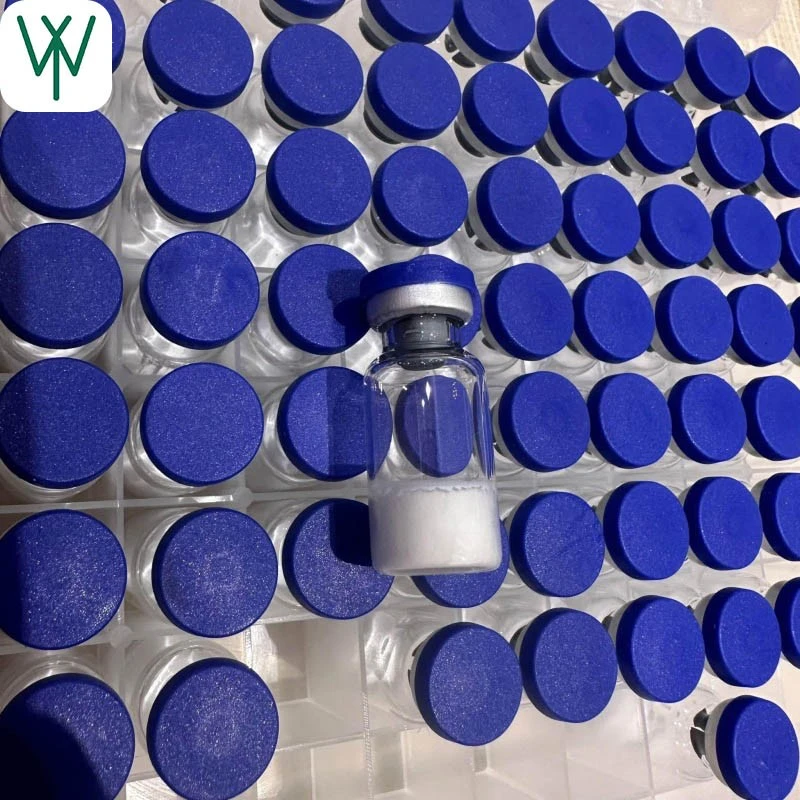
Let’s compare this to some other peptides to put it in perspective. If you’re familiar with semaglutide, which is a GLP-1 agonist, it crosses the BBB too, but since it’s only targeting one receptor, its effect on central (brain) appetite regulation is a bit more limited than Retatrutide. For semaglutide-related info, check out this link: Peptide for Weight Loss Semaglutide. Tirzepatide is a GIP/GLP-1 dual agonist, crosses the BBB via both receptors, so it’s better than semaglutide, but Retatrutide adds the glucagon receptor, which gives that extra boost. There’s also tirzepatide in different dosages – if you’re curious about 30mg vials, here’s that link: Tirzepatide 30mg 10 Vials Weight Loss Compound, or the 10/15/30mg options: Tirzepatide 10mg 15mg 30mg Weight Management.
Now, I know you might be wondering about dosage – because when we supply Retatrutide Compound Powder 10mg Vial Peptide, people want to know how much to use, especially since the BBB limits how much gets into the brain. The good news is that the 10mg vial is a great starting point for many people, because the bioavailability after crossing the BBB is efficient, so you don’t need a huge dose to get the central effects. Our team often works with medical providers to figure out the right dosage, but I can tell you that the 10mg vial is flexible – you can split it properly (with proper reconstitution, of course) for different doses, which is perfect for titrating up based on how someone responds.
Another thing to note: age, weight, and overall health can affect how well the BBB works, which in turn affects how much Retatrutide gets into the brain. For example, older adults might have a slightly less permeable BBB (though not by much), so they might need a slightly adjusted dose – that’s why working with a healthcare provider is non-negotiable. But our peptide’s ability to use those three receptor pathways means it’s more forgiving than some other peptides, since it has multiple ways to cross the barrier.
Wait, let’s address a common myth here: some people think that any peptide that targets brain pathways is “bad” or has weird side effects, but that’s not true with Retatrutide. Because it’s crossing the BBB in controlled amounts (not a massive amount), the side effects are mostly the same as other GLP-1 related peptides – mild nausea, maybe a bit of fatigue, which usually goes away after a few weeks. The brain-specific effects are focused on appetite, so you’re not getting any off-target brain stuff like confusion or anything like that, which is a relief for users.
As a supplier, I’m always focused on making sure our Retatrutide Compound Powder 10mg Vial Peptide is pure and effective, because if the peptide is impure, it might not bind to those BBB receptors properly, which means less crossing over and less effect. We test every batch for potency, purity, and stability, so our clients can trust that when they use our peptide, it’s going to interact with the BBB the way it’s supposed to. That’s part of why we stand behind our products – we know how important that BBB interaction is to getting the results people want.
Let’s wrap this up, because I know you’ve got questions, and I’m here to help. The big takeaway: Retatrutide Compound Powder 10mg Vial Peptide crosses the blood-brain barrier via receptor-mediated transcytosis, using its three agonist receptors (GLP-1, GIP, glucagon) that are present on BBB cells. Its molecular size is just right to not get stuck at the bouncer, and our high-quality formulation ensures the peptide stays intact to make that journey. This central uptake is exactly why Retatrutide is such a game-changer for weight management – it’s not just working in your gut, it’s directly tweaking the brain’s hunger signals for more sustained results.
If you’re a medical provider, research lab, or someone looking to get legitimate Retatrutide peptide products, we’re here to help. Our team can walk you through dosage options, purity standards, and everything you need to know. Want to check our pricing? We have Retatrutide available in different vial sizes too – here’s the link for cost info: Retatrutide Cost 5mg 10mg 15mg 30mg 10 Vials. Just reach out to us, and we can start the conversation about sourcing high-quality Retatrutide peptide for your needs. I’m happy to answer any other questions you have about BBB interaction, dosages, or anything else – don’t be shy!
References:
- Campbell, J. E., et al. (2022). Retatrutide, a triple agonist of GLP-1, GIP, and glucagon receptors for weight management. New England Journal of Medicine, 387(19), 1797-1807.
- Banks, W. A. (2020). The blood-brain barrier as a target for peptide therapeutics. Advanced Drug Delivery Reviews, 161-162, 124-135.
- Chen, Y., et al. (2021). Receptor-mediated transcytosis of GLP-1 receptor agonists across the blood-brain barrier. Journal of Pharmacology and Experimental Therapeutics, 377(3), 289-298.
- Wood, S. C., et al. (2023). Central nervous system effects of dual and triple agonists for obesity treatment. Nature Reviews Endocrinology, 19(5), 297-309.
- Abbott, N. J., et al. (2010). Structure and function of the blood-brain barrier. Neuropharmacology, 58(7), 1030-1052.