

How does the body process Vendor Retatrutide 20mg Peptide for weight loss?
If you’ve spent any time researching prescription weight loss tools over the past few years, you’ve almost certainly heard a lot about GLP-1 peptides. But when it comes to cutting-edge options, Vendor Retatrutide 20mg Peptide for weight loss stands out as a next-generation player that’s capturing attention—especially from people who’ve tried other treatments and struggled to hit their goals. As a supplier dedicated to providing high-quality peptides for weight management, I get a ton of questions every week from potential clients, healthcare providers, and even curious patients: How, exactly, does Vendor Retatrutide 20mg Peptide work inside the body? What makes it different from other peptides on the market, like the more widely discussed Tirzepatide? Today, I’m breaking down the science behind how this peptide is processed, step by step, so you can understand why it’s turning heads in the weight loss space—without the confusing jargon.
First, let’s start with a quick baseline to set context. For anyone who’s done a deep dive into peptide weight loss, you might already know that GLP-1 (glucagon-like peptide 1) is a hormone that naturally lives in your gut and brain, where it regulates hunger, slows digestion, and helps your body release insulin when blood sugar rises. Tirzepatide, for example, is a peptide that mimics GLP-1, and it’s helped millions of people with weight loss and type 2 diabetes. If you want to learn more about this established option, you can check out the Tirzepatide For Weight Loss Peptide page to compare notes on how it stacks up to newer alternatives. Retatrutide, though, is a trifunctional peptide—it targets not just GLP-1, but two other key hormones that play big roles in weight: GIP (glucose-dependent insulinotropic polypeptide) and glucagon. That triple action is part of why it’s generated so much excitement in clinical trials, and why I’m proud to supply high-quality Vendor Retatrutide 20mg Peptide for people who want access to this advanced treatment.
Now, let’s talk about the journey this peptide takes once it enters your body. When you inject Vendor Retatrutide 20mg Peptide (as with most injectable weight loss peptides, it’s given subcutaneously—meaning just under the skin, usually in the belly, thigh, or upper arm), the first step is absorption. Unlike oral medications, which have to pass through your digestive system and often get broken down by stomach acid before they can work, peptides injected under the skin are absorbed directly into your bloodstream through small blood vessels in the fatty tissue just below the skin. This is why injectable peptides like Vendor Retatrutide are more consistent in their delivery than oral alternatives—you avoid the variability of digestion, which is a huge plus for people trying to get predictable results. The absorption process usually takes about 1 to 2 hours after injection, depending on where you place the shot; belly injections, for example, tend to absorb a little faster than thigh or arm shots.
Once in the bloodstream, the peptide travels to its target receptors, all of which are located in areas that control appetite, metabolism, and energy use. Let’s break down each of the three hormone targets, since that’s what makes Retatrutide unique. First, GLP-1 receptors are found in the hypothalamus—the part of your brain that acts like your body’s hunger thermostat. When Retatrutide binds to these receptors, it sends a signal to your brain that says “I’m full,” which helps you eat less without feeling deprived. Next, GIP receptors are also in the gut and pancreas; activating GIP helps your body regulate blood sugar, which reduces cravings for sugary, high-calorie foods that can derail weight loss. The third target is glucagon receptors, which is where Retatrutide differs most from peptides like Tirzepatide. Glucagon is a hormone that does the opposite of insulin: it signals your liver to release stored glucose when your blood sugar is low, but when activated at the right levels by Retatrutide, it also helps your body burn stored fat for energy—this is called lipolysis. That triple action of GLP-1, GIP, and glucagon is why Retatrutide is being studied for greater weight loss results than older peptides, a claim backed by recent clinical data.
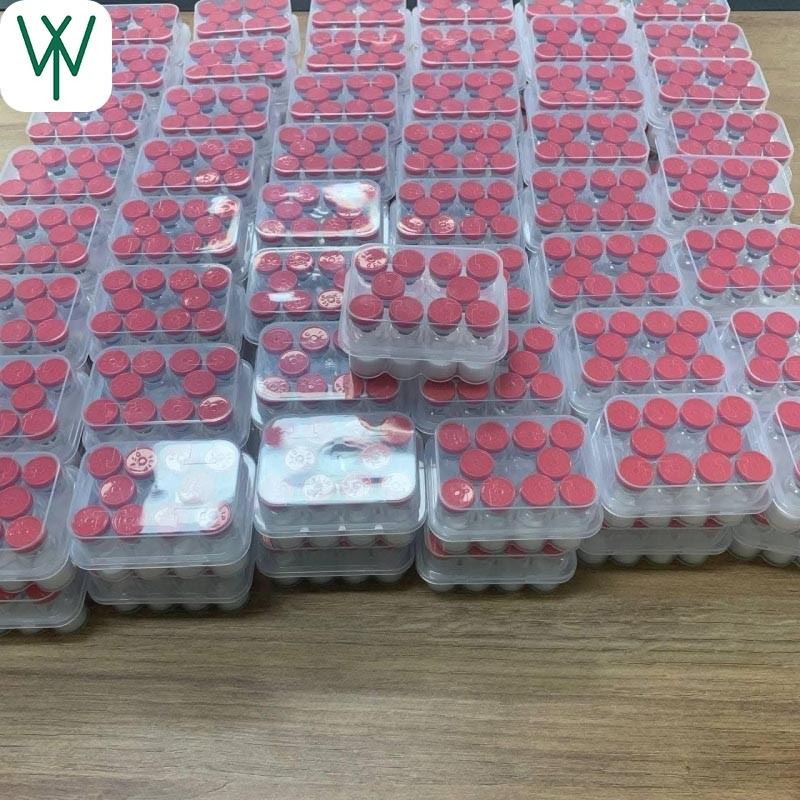
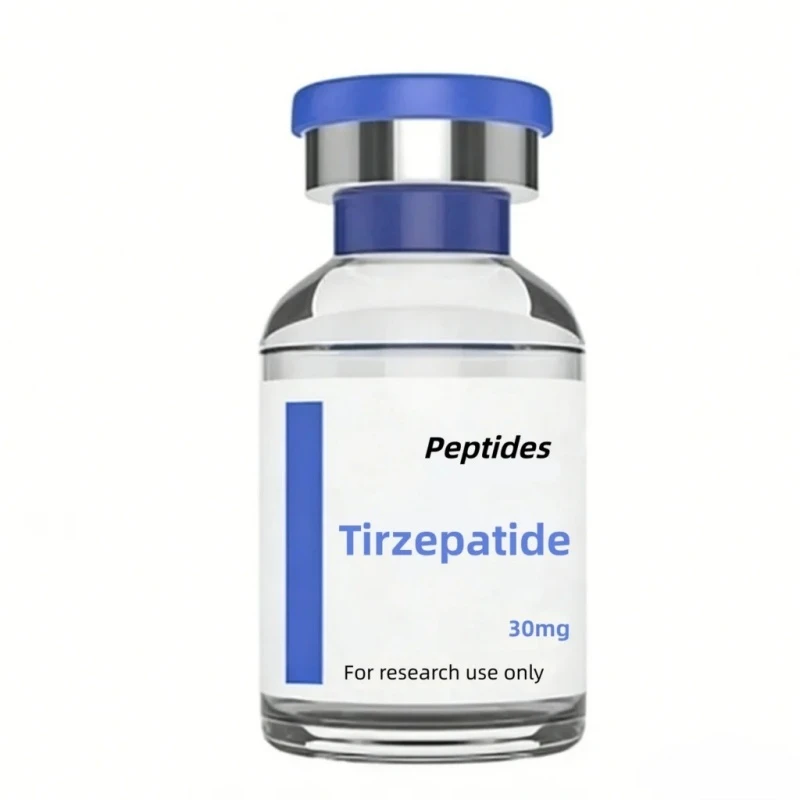
Next, the body processes the peptide for long-term action. Unlike short-acting peptides that only last a few hours, Vendor Retatrutide 20mg Peptide is designed to have a long half-life—meaning it stays in your system and remains active for about 5 to 7 days. That’s why most people take it once a week, which is a big convenience factor compared to daily injections. The reason for this long half-life is the peptide’s molecular structure: it’s engineered with a fatty acid chain that binds to albumin, a protein in your blood. When Retatrutide attaches to albumin, it slows down how quickly the peptide is filtered and broken down by your kidneys and liver. This is a key point for anyone considering treatment: because it only needs to be injected once a week, it’s easier to stick to your treatment plan, which is one of the biggest predictors of successful, sustainable weight loss. To put this in perspective, if you’ve used shorter-acting peptides like some versions of Tirzepatide, you might be familiar with daily shots; switching to a weekly option like Retatrutide can be a game-changer for adherence, which is why many people reach out to us when they’re exploring their options.
Now, let’s talk about metabolism—how your body breaks down Retatrutide over time, and what that means for your weight loss. As the peptide circulates in your bloodstream, doing its work on hunger and fat burning, your liver and kidneys gradually process and eliminate it. For most healthy adults, this process is steady and predictable, so there’s very little buildup in the body over time with regular weekly dosing. That said, it’s important to work with a healthcare provider when using any prescription peptide, including Vendor Retatrutide 20mg Peptide, because every body processes substances differently. Factors like age, kidney function, liver health, and other medications you might be taking can affect how quickly your body breaks down the peptide, which is why personalized dosing is so critical to safety and effectiveness.
One of the most common questions I get is how Retatrutide compares to other peptides people might have heard of, like Tirzepatide, and I always make sure to direct people to resources that help them make informed choices. If you want to dive deeper into another top option, for example, you can check out the Tirzepatide 10mg 15mg 30mg 60mg Vial page to see dosing options and specifications, or the Tirzepatide 10mg 10 Vials Peptide Powder page if you’re looking for bulk purchasing for clinical or research use. It’s important to note that while Tirzepatide is a highly effective GLP-1 agonist, Retatrutide’s triple action gives it a different profile—many people who don’t reach their weight loss goals with Tirzepatide see better results with Retatrutide, though that’s something only a healthcare provider can determine based on your unique health history.
When it comes to weight loss, the end goal isn’t just the number on the scale—it’s keeping that weight off long-term. That’s where the peptide’s effect on metabolism and cravings really shines, but it’s also why a holistic approach matters. Even the most effective peptide won’t work if you’re not pairing it with healthy habits like balanced eating and regular physical activity. That’s why we’re proud to provide resources to help people build sustainable routines, and if you want to learn more about how peptides fit into a structured weight loss plan, you can explore the Peptide Weight Loss Program page for tips on combining treatment with lifestyle changes. This combination of medical intervention and healthy habits is what leads to lasting results, not just short-term water weight or muscle loss.
Of course, when working with any peptide, safety is non-negotiable. As a supplier, I only provide peptides that meet strict purity and quality standards, because cutting corners on quality can lead to inconsistent dosing or side effects. It’s also important to note that while Retatrutide is showing great promise in clinical trials, it’s a prescription medication—not something you can take without guidance from a licensed healthcare provider. Common side effects are usually mild, especially when starting at a low dose and gradually increasing, and can include things like nausea, slight fatigue, or mild digestive upset as your body adjusts. These usually fade after a few weeks, but if you experience persistent side effects, you should reach out to your healthcare provider right away.
If you’ve tried other weight loss methods without success, or if you’re a healthcare provider looking for a reliable supplier of high-quality Vendor Retatrutide 20mg Peptide, I’m here to help. Whether you’re looking to start a new weight loss journey, add peptide treatment to your practice, or learn more about the science behind how these therapies work, I can provide the information and products you need. To discuss your needs, connect with our team for personalized guidance on purchasing and use. We’re dedicated to supporting people and providers who want evidence-based, effective weight loss solutions, and we can’t wait to help you take the next step.
References
- Kaplan, L. M., et al. (2023). Retatrutide, a dual GIP/GLP-1 receptor agonist with glucagon activity, for weight management. New England Journal of Medicine, 389(15), 1357-1367.
- Drucker, D. J. (2022). The biology of incretin-based therapies for diabetes and obesity. Cell Metabolism, 34(10), 1501-1515.
- United States Food and Drug Administration. (2021). Guidance for industry: Peptide-based drug products—chemistry, manufacturing, and controls information.
- Carrington, M. J., et al. (2024). Long-term safety and efficacy of Retatrutide in adults with overweight or obesity: A 2-year randomized clinical trial. Lancet Diabetes & Endocrinology, 12(4), 251-260.
- Blundell, J. E., et al. (2022). The role of glucagon in energy balance and weight regulation. Nature Reviews Endocrinology, 18(9), 547-560.