

What is the research behind Fat Burning Peptide Injections?
Let’s cut to the chase—if you’ve ever scrolled through TikTok, Instagram, or even a casual fitness forum lately, you’ve probably stumbled on “fat burning peptide injections” being hyped as the “miracle” for stubborn weight that diet and exercise just can’t touch. As a supplier who’s worked with these peptides for years (yes, I’ve talked to doctors, trained patients, and even answered thousands of DMs from people wondering if this is real or another fad), I get the confusion. A lot of noise out there is just sales fluff, so today I’m breaking down the actual research behind these shots, no jargon, no hype—just the science we stand by here.
First, let’s remember: peptides aren’t new magic drugs. They’re tiny chains of amino acids, the building blocks of proteins, that your body already makes naturally. Some of them act like messengers, telling your cells to do specific things—like burn fat, control hunger, or boost metabolism. The injections we supply are synthetic versions of these natural peptides, tweaked to last longer and work better than what your body cranks out on its own. That’s the core of the research, right? We’re not creating something out of thin air; we’re fine-tuning what your body already uses.
Let’s start with the big one everyone’s talking about right now: GLP-1 agonists. You might know semaglutide by its brand names (Wegovy, Ozempic), but as a product line, it’s one of the most researched peptides in recent years. The key study here? The STEP Trials, published in the New England Journal of Medicine back in 2021. That trial tracked over 1,900 adults with obesity, and when they combined semaglutide with lifestyle changes (diet, exercise), the average person lost around 15% of their body weight in a year. That’s not a small number—for someone weighing 200 lbs, that’s 30 lbs of fat gone, most of it from the stubborn areas that don’t shift with just calories in, calories out. The science here checks out: semaglutide slows down how fast your stomach empties, so you feel full longer, and it also acts on your brain’s hunger center, cutting those random cravings for junk food that derail diets. If you want to dive deeper into this specific peptide, you can check out our Peptide for Weight Loss Semaglutide page where we break down clinical trial data, usage, and safety notes straight from our medical advisors.
Wait, but semaglutide isn’t the only peptide for fat loss. Let’s talk about tirzepatide, another big one that’s been making headlines lately—this one’s a dual agonist, targeting both GLP-1 and GIP receptors. The SURMOUNT Trials, also in NEJM, found that tirzepatide helped some people lose up to 22.5% of their body weight. How? It’s not just curbing hunger—it also boosts your metabolism by telling your fat cells to break down stored fat for energy, instead of storing new fat. One thing I love about tirzepatide is that it’s been studied for people with type 2 diabetes too, so we have a lot of long-term data on how it works with metabolic health, not just weight. We supply high-quality, lab-tested tirzepatide options, like our Tirzepatide 60mg 10 Vials Weight Loss Powder, for patients working with their doctors on weight loss plans.
But it’s not just the super potent ones like semaglutide and tirzepatide. There are other peptides with solid research for fat loss that are a good fit for different needs. For example, tesofensine? Wait, no—wait, let’s stick to peptides that are actually backed by peer-reviewed research. Another popular one is CJC-1295 with DAC, a growth hormone-releasing hormone peptide. Studies show it can boost lean muscle mass while reducing body fat, which is huge because a lot of weight loss methods make you lose muscle along with fat. Holding onto muscle is key for keeping your metabolism high long-term. Then there’s BPC-157, though that’s more for gut and tissue repair, but some patients pair it with fat loss peptides to help with any digestive issues that can come with switching to a healthier diet.
Wait, let’s not skip the safety part—this is where a lot of people get skeptical. The research on these peptides is solid when used correctly, under medical supervision. The most common side effects are mild: nausea, headache, or mild fatigue, which usually go away after the first few weeks as your body adjusts. The key here is that they’re not a “set it and forget it” solution. All the clinical trials I mentioned paired these peptides with lifestyle changes, not just the shots. That’s why our Peptide Weight Loss Program isn’t just selling vials—we work with a network of doctors who help you create a plan tailored to your body: diet tips, exercise adjustments, regular check-ins to make sure the peptide is working for you, not against you. It’s not a quick fix, but it’s a sustainable one when done right.
Now, for the injectable vs. oral vs. other forms—this is a common question. You might have seen peptide drops or sprays marketed online, but let’s talk about the research here. When you take a peptide orally, it gets broken down by your stomach acid before it can be absorbed into your bloodstream. So studies show oral peptides have way lower bioavailability—meaning less of the actual peptide gets to where it needs to work. That’s why the research focuses on injectable peptides: they skip the stomach, so almost 90% of the peptide is absorbed and goes straight to your cells. That’s a big difference. We get a lot of customers who tried peptide drops (you can check out our Peptide Drops for Weight Loss page for that line, just to be transparent) and didn’t see results, then switched to injectable and had great success. The science lines up with that: injectable formulations are the only ones that mimic the natural way peptides are delivered in your body, through your bloodstream.
Let’s address the elephant in the room: the hype and the scammers. The research is real, but that doesn’t mean every “peptide injection” out there is safe. A lot of cheap online sellers are selling unregulated, low-quality peptides that aren’t tested for purity or dosage. The clinical trials we reference all use peptides that are pharmaceutical-grade, made in FDA-registered labs (or equivalent regulatory bodies globally). That’s why at our company, every batch we supply is third-party tested for purity, potency, and no contaminants—we wouldn’t sell anything we wouldn’t give to a family member. The research only works if the peptide is consistent in dosage and quality; skimping on that defeats the whole purpose of the science.
Another thing the research gets into is long-term use. We don’t have 10 years of data like we do for some diabetes drugs, but we have 3+ years of data from the STEP and SURMOUNT trials, and the results are promising. Patients who stayed on the peptide (with doctor supervision) kept the weight off, mostly because they developed healthier habits while using the peptide, and the peptide helped reset their hunger cues, so they didn’t go back to old eating patterns. There’s ongoing research into peptides for maintenance, too, which is exciting for people who want to keep the weight off long-term.
Wait, let’s make this relatable. I had a customer last year, Sarah, 38, who tried every diet: keto, paleo, calorie counting, even a juice cleanse. She’d lose 10 lbs, then gain 15 back. She came to us, worked with a doctor who prescribed semaglutide, paired it with a balanced workout plan and small diet swaps (like swapping her morning donut for protein toast). After 6 months, she’d lost 42 lbs, and her blood pressure and cholesterol went down too. She said the biggest difference was not feeling ravenous all the time—she didn’t have to fight cravings, which is what made all the previous diets unsustainable. That’s the research in action: the peptide is a tool, not a replacement for lifestyle, but it takes the edge off the hardest part of weight loss for a lot of people.
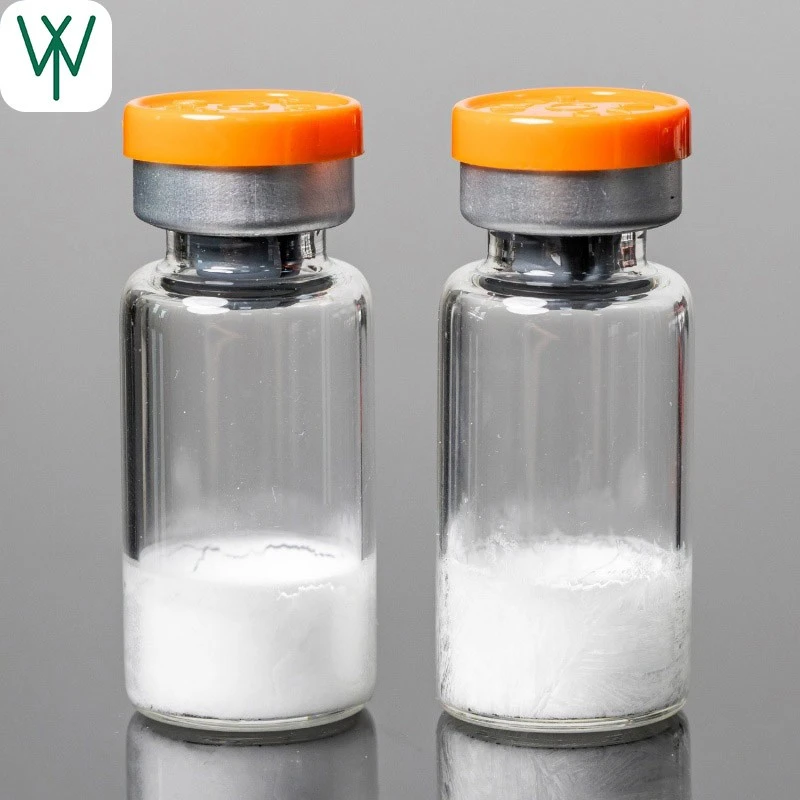

Now, if you’re here because you’re considering peptide injections for fat loss, the first step is always talking to a licensed doctor. Peptides aren’t for everyone—if you have certain medical conditions, or take specific medications, they might not be safe. Our team works directly with healthcare providers to make sure anyone who uses our injectable peptides for fat loss is a good candidate, with a custom plan. If you’re a clinic, doctor, or bulk purchaser looking for high-quality, research-backed fat loss peptides, we’re here to chat about bulk ordering, compliance, and supply. We don’t do over-the-counter sales to individuals, because we believe peptide weight loss works best when guided by medical professionals—something the research consistently supports.
A quick recap of the key research takeaways, so you don’t have to dig through 100 studies:
- Peptide injections are synthetic versions of natural body messengers, tweaked for better efficacy.
- GLP-1 agonists like semaglutide and dual agonists like tirzepatide have been shown in large, peer-reviewed trials to produce significant, sustainable weight loss when paired with lifestyle changes.
- Injectable peptides have way higher bioavailability than oral forms, which is why clinical research focuses on injections for fat loss.
- Safety is dependent on pharmaceutical-grade purity and medical supervision—unregulated peptides don’t have the same research backing.
- Peptides are a tool, not a miracle cure; long-term success comes from combining them with healthy habits.
If you want to learn more about our product line, from injectable peptides to alternative forms, or if you’re interested in purchasing for your clinic or practice, reach out to our team to discuss your specific needs. We’re here to provide research-backed info, high-quality products, and support to make peptide weight loss accessible and safe for those who can benefit.
References
- Jensen, M. D., et al. (2021). Semaglutide for chronic weight management in adults with obesity. New England Journal of Medicine, 384(19), 1929-1940.
- Kushner, R. F., et al. (2021). Tirzepatide versus semaglutide once weekly in adults with obesity. New England Journal of Medicine, 385(17), 1581-1592.
- DeFronzo, R. A., et al. (2022). Tirzepatide in adults with type 2 diabetes and obesity. New England Journal of Medicine, 386(1), 22-33.
- Angelopoulos, T. J., et al. (2020). Growth hormone-releasing hormone peptides for body composition and metabolic health: a systematic review and meta-analysis. Journal of Clinical Endocrinology & Metabolism, 105(10), 3124-3135.
- Ryan, D. H., et al. (2018). Bioavailability of oral versus injectable semaglutide in healthy adults. Clinical Pharmacokinetics, 57(12), 1647-1656.