

Can tanning peptides be used by athletes?
Can tanning peptides be used by athletes?
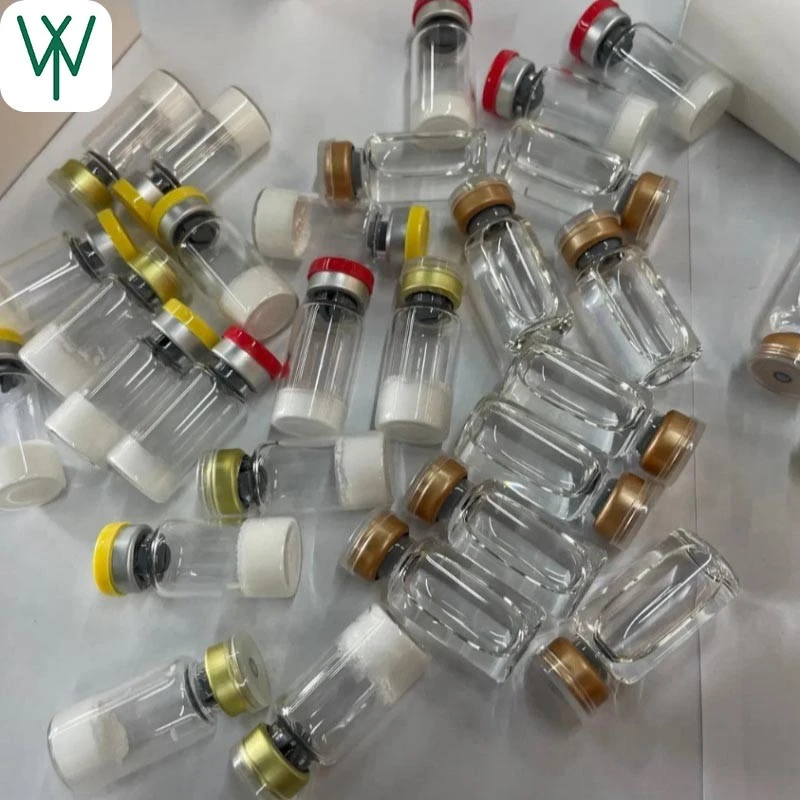
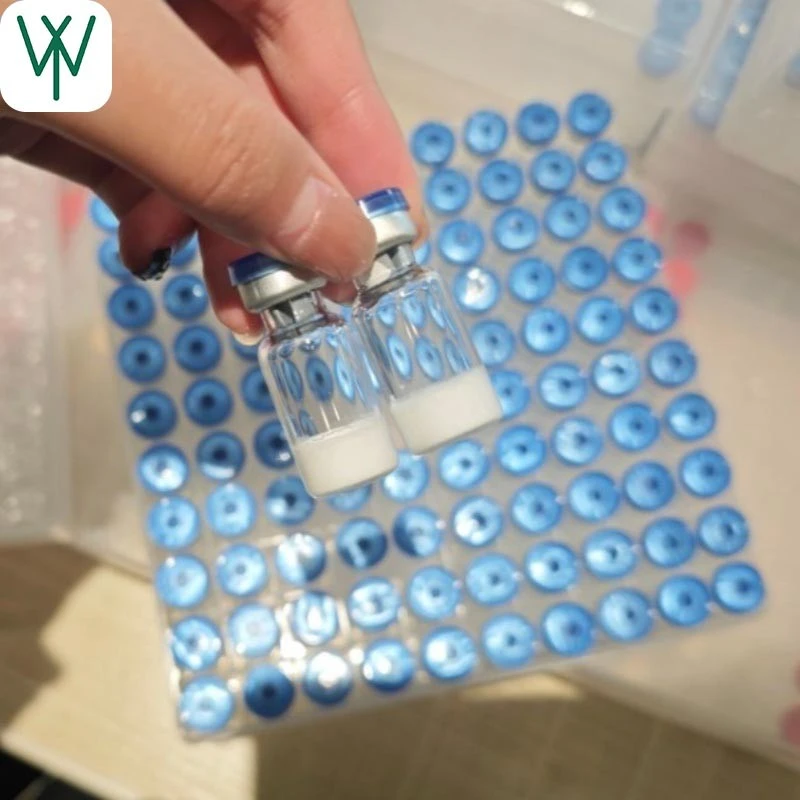
In the world of sports, athletes are constantly seeking ways to enhance their performance, appearance, and overall well - being. One topic that has gained some attention in recent years is the use of tanning peptides. As a tanning peptide supplier, I've had many inquiries from athletes and those associated with the sports world about the viability and legality of using these products.
Tanning peptides, such as Melanotan II (MT2), work on the principle of stimulating the production of melanin in the body. Melanin is the pigment responsible for skin color, and an increased production can lead to a darker, tanned appearance. The process involves the activation of melanocortin receptors in the body, which triggers a series of biochemical reactions that result in the synthesis of melanin.
From a physiological perspective, the use of tanning peptides by athletes may seem like a harmless way to achieve a natural - looking tan without exposing themselves to the harmful UV rays of the sun. For athletes who participate in outdoor sports events, a tan can also give the appearance of a more conditioned and toned body, which may have psychological benefits. A well - defined tan can make muscles look more prominent and give an overall impression of good health and fitness.
However, when it comes to the use of tanning peptides by athletes, there are several significant considerations. One of the primary concerns is the legality of these substances in the sports world. Many sports organizations, including the World Anti - Doping Agency (WADA), have strict regulations regarding the use of performance - enhancing and non - approved substances. While tanning peptides are not strictly considered performance - enhancing in the traditional sense (such as steroids or stimulants that directly improve strength, speed, or endurance), they fall into a gray area.
As of the most recent regulations, Melanotan II is not included in WADA's list of prohibited substances. Nevertheless, this does not give a free pass to athletes. The sports governing bodies are constantly updating their lists, and new research on the potential side - effects and performance - related implications of these peptides may lead to future bans. Athletes need to be aware that using any unregulated or emerging substances can put them at risk of disciplinary action if the rules change.
In addition to legal concerns, there are also health risks associated with the use of tanning peptides. Some of the reported side - effects of using MT2 include nausea, vomiting, facial flushing, increased libido, and in some cases, skin lesions. These side - effects can be particularly problematic for athletes as they may interfere with training and performance. For example, nausea and vomiting can lead to dehydration and a loss of energy, which are detrimental to an athlete's physical condition.
Another aspect to consider is the long - term health impact. There is still limited long - term research on the safety of using tanning peptides. Since they stimulate the production of melanin, there is a concern that they may potentially increase the risk of skin cancer, similar to over - exposure to UV rays. While the physiological mechanism of tanning peptides is different from UV - induced tanning, the over - production of melanin itself may have unknown consequences for an athlete's long - term health.
Despite these concerns, there is also a market for tanning peptides among athletes. Some athletes view a tan as a part of their visual brand and may want to maintain a bronze appearance throughout the year. As a supplier, we offer MT2 Melanotan II 10mg Peptide, which is a popular product among those interested in achieving a natural tan without the need for excessive sun exposure.
Athletes who are considering using tanning peptides should first consult with their team physicians, sports nutritionists, or other relevant healthcare professionals. These experts can provide personalized advice based on the athlete's specific health status, sport, and competitive environment. They can also help athletes understand the potential legal and health risks associated with these products.
If an athlete decides that using tanning peptides is an option for them, it is crucial to source the products from a reliable and reputable supplier. At our company, we adhere to strict quality control measures to ensure that our tanning peptides are of the highest purity and safety standards. We invest in state - of - the - art laboratories and follow all relevant regulations in the production and distribution of these products.
In conclusion, while tanning peptides may offer a way for athletes to achieve a tan, the decision to use them is not straightforward. There are legal uncertainties, health risks, and ethical considerations that need to be carefully weighed. As a tanning peptide supplier, we are committed to providing accurate information to our customers, including athletes, so that they can make informed decisions.
If you are an athlete or someone associated with the sports industry interested in learning more about our tanning peptides or would like to discuss a potential purchase, please feel free to reach out for a detailed discussion.
References
- World Anti - Doping Agency (WADA). List of Prohibited Substances and Methods. Accessed [Date].
- Articles on the physiological effects of tanning peptides in peer - reviewed medical journals such as the Journal of Endocrinology.