

Do tanning peptides work on the scalp?
Hey there! As a tanning peptide supplier, I get asked all sorts of questions about our products. One question that's been popping up a lot lately is, "Do tanning peptides work on the scalp?" Well, let's dive into this topic and find out.
First off, let's talk about what tanning peptides are and how they work. Tanning peptides like MT2 Melanotan II are synthetic versions of a hormone in our body called alpha - melanocyte - stimulating hormone (α - MSH). When you introduce these peptides into your system, they stimulate the production of melanin, the pigment that gives our skin its color.
Now, the scalp is just another part of our skin, right? So, in theory, tanning peptides should work on the scalp just as they do on other parts of the body. The melanocytes, which are the cells responsible for producing melanin, are present on the scalp just like they are on the face, arms, and legs.
When you use a tanning peptide such as MT2 Melanotan II 10mg Peptide, it binds to the melanocortin receptors on the melanocytes. This binding triggers a series of biochemical reactions that lead to an increase in melanin production. As more melanin is produced, the skin on the scalp, just like other areas, will start to darken.
But there are a few factors that can affect how well tanning peptides work on the scalp. One of the main factors is hair. If you have thick, long hair, it can act as a physical barrier between the scalp and the external environment. This means that sunlight, which actually helps to activate the melanin and make the tan more visible, may not reach the scalp effectively.
Another factor is blood circulation. Good blood circulation is necessary for the peptides to reach the melanocytes on the scalp. If the blood flow to the scalp is poor, the peptides may not be delivered efficiently, and the tanning process could be slower or less effective.
However, there are ways to optimize the tanning effect of peptides on the scalp. First, if you have long hair, you can part your hair in different sections to expose more of the scalp to sunlight after using the tanning peptides. This will help to activate the newly - produced melanin and make the tan more obvious.
Second, you can also do some simple scalp massages. Massaging the scalp increases blood circulation, which in turn helps the peptides reach the melanocytes more effectively. Just spend a few minutes each day gently massaging your scalp with your fingertips.
There's also the safety aspect to consider. Tanning peptides are generally considered safe when used correctly, but there can be some side effects. These may include nausea, facial flushing, and increased libido in some cases. It's always important to follow the recommended dosage guidelines when using any tanning peptide.
If you're someone who wants to achieve a more even tan all over your body, including the scalp, then tanning peptides can be a great option. They offer a way to get a tan without having to expose yourself to excessive UV rays from the sun or tanning beds, which can be harmful to your skin in the long run.
In terms of scientific evidence, several studies have shown the effectiveness of tanning peptides in increasing melanin production. Research on animals has consistently demonstrated that the administration of synthetic α - MSH analogs, like MT2 Melanotan II, can lead to significant darkening of the skin. Although more human - specific studies on the scalp are needed, given the fact that the scalp has the same basic skin structure as the rest of the body, it's reasonable to assume that the results would be similar.
So, to sum it up, tanning peptides can work on the scalp. But factors like hair and blood circulation can influence the outcome. By taking some simple steps to optimize the process, you can achieve a nice tan on your scalp.
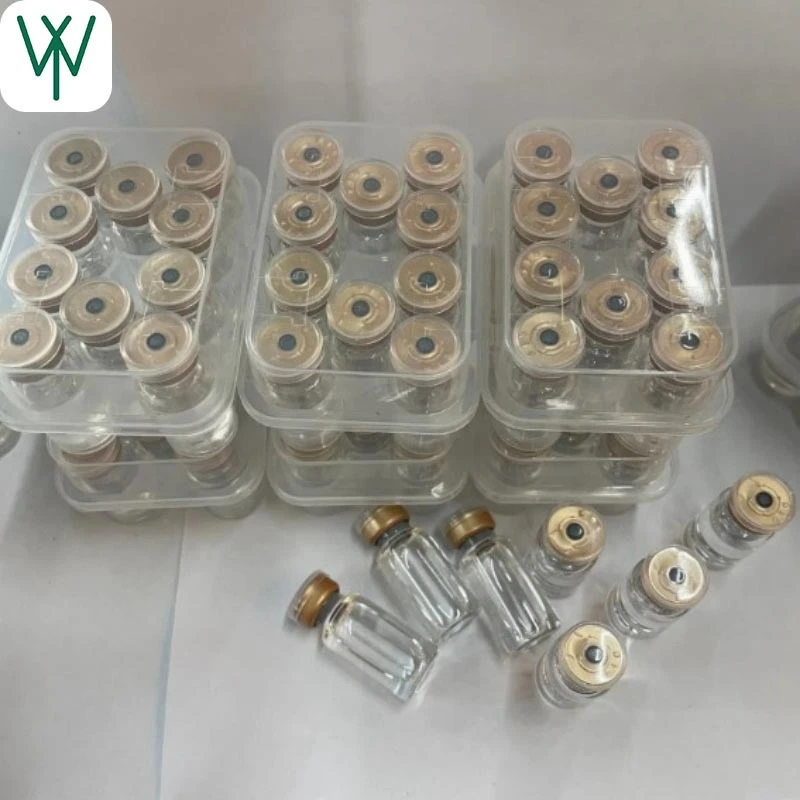
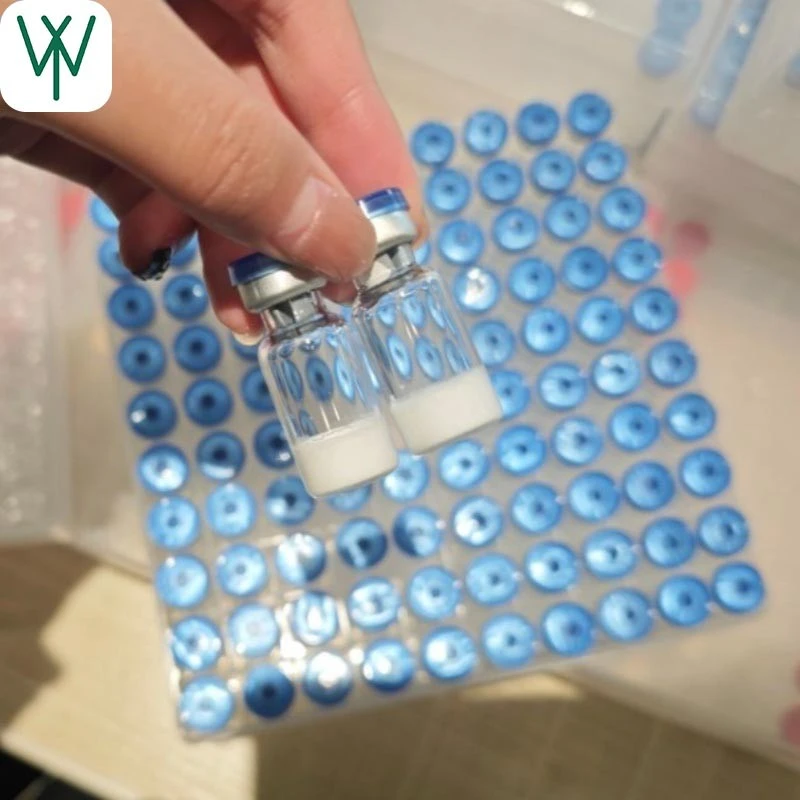
If you're interested in trying tanning peptides for your scalp or other parts of your body, feel free to reach out. We're a trusted tanning peptide supplier, and we're here to help you with any questions and guide you through your tanning journey. Whether you're looking to enhance your overall tan or just give your scalp a little color boost, our products can be a great choice.
References
- Hadley ME, Hruby VJ. Melanotropins: recent progress. Trends Pharmacol Sci. 1991 Dec;12(12):490 - 496.
- Gardiner EM, Morgan DA, Thody AJ. Sun - tanning and the use of melanoma - protective compounds. Br J Dermatol. 1997 Aug;137(2):159 - 164.