

Does the Tirzepatide vial peptide dosage need to be adjusted for patients with liver problems?
Hey everyone, it’s Sarah from the peptide supply team here at [our company name]—you know, the folks behind the solid Tirzepatide vial stock that clinics and compounding pharmacies keep restocking because it’s reliable. Lately, I’ve been getting a ton of questions from folks in the medical community (and even a few patients who’ve heard the rumors) about whether Tirzepatide dosages need to be tweaked for people with liver issues. It’s a super important question, especially since Tirzepatide has blown up for both type 2 diabetes and weight loss—you can check out all the details on the actual injection side over at Tirzepatide Weight Loss Injection if you’re new to the peptide game. Let’s dive into this, because the last thing anyone wants is a dosing misstep that could throw off results or cause unnecessary concerns.
First, let’s break down what Tirzepatide even is, just to make sure we’re all on the same page. It’s a dual glucose-dependent insulinotropic polypeptide (GIP) and glucagon-like peptide-1 (GLP-1) receptor agonist—basically, it works by regulating blood sugar and making you feel full longer, which is why it’s such a game-changer for weight management. As a supplier, we work with clinics that use everything from lower starting doses up to higher strengths like the Tirzepatide 10mg 15mg 30mg 60mg Vial for patients who need more support. But when it comes to liver function, there’s a lot of misinformation floating around—some folks think “all peptides” need adjusting, but that’s not true, so let’s talk about the specific data here.
The liver is key for metabolizing a lot of medications, right? So it makes total sense that providers would wonder if impaired liver function affects how Tirzepatide is processed. Let’s start with the clinical trial data because that’s the gold standard here. The original SURFACE trials for type 2 diabetes and the STEP trials for weight loss excluded patients with severe liver impairment, but they did include folks with mild to moderate hepatic impairment. What did they find? No dosage adjustments were needed for those groups. That’s a big deal.
Wait, but let’s define what we mean by liver issues because “liver problems” covers a huge range—from mild fatty liver (super common, especially with weight issues) to moderate cirrhosis, to severe liver disease. For mild to moderate cases, the trial data holds up: Tirzepatide’s pharmacokinetics (how the body absorbs, processes, and excretes it) don’t change significantly. Unlike some other meds that get cleared mainly by the liver, Tirzepatide is broken down via peptide degradation pathways—so it’s broken down into smaller amino acids, which the body uses or excretes, not just processed through the liver. That’s why even in mild to moderate cases, dosage doesn’t need to be adjusted.
But what about severe liver impairment? That’s where things get a little more nuanced, because there’s less trial data here. From what we’ve seen in post-marketing reports and limited studies, providers should exercise caution here. We’re not talking about a full dosage cut, but maybe more frequent monitoring. For example, if a patient has severe cirrhosis, the body’s overall metabolic function is slower, so the peptide might stay in the system a little longer—but there’s no hard rule for adjusting the vial dose yet. That’s why it’s critical to work with a healthcare provider who can track liver enzymes (like ALT, AST, and bilirubin) alongside the patient’s Tirzepatide use.
Now, I know what some of you are thinking: “What about other weight loss peptides? Do they have different rules?” That’s a fair question, because the peptide space is crowded. For example, retatrutide is another big name right now, and if you’re looking into that, you can check out Vendor Retatrutide 20mg Peptide Weight Loss to compare specs. But key difference: retatrutide’s metabolism is a bit different, and there’s even less data on liver impairment for it. So Tirzepatide’s liver data is actually more robust, which is one reason it’s become such a go-to for clinics.
Another point to mention: some patients might have elevated liver enzymes from other issues, not just liver disease. Like, if someone is on another medication that affects liver function, or if they’re drinking heavily, that’s a separate factor. In those cases, providers would look at the cause of the enzyme elevation before deciding if Tirzepatide dosing needs to change. For example, if a patient has mild elevations from fatty liver (non-alcoholic fatty liver disease, NAFLD), that’s not a reason to adjust Tirzepatide—if anything, the weight loss from Tirzepatide might actually help improve their liver health over time. That’s a win-win, honestly, and it’s something we hear a lot from our clinic customers who prescribe our Tirzepatide vials to patients with NAFLD alongside weight management.
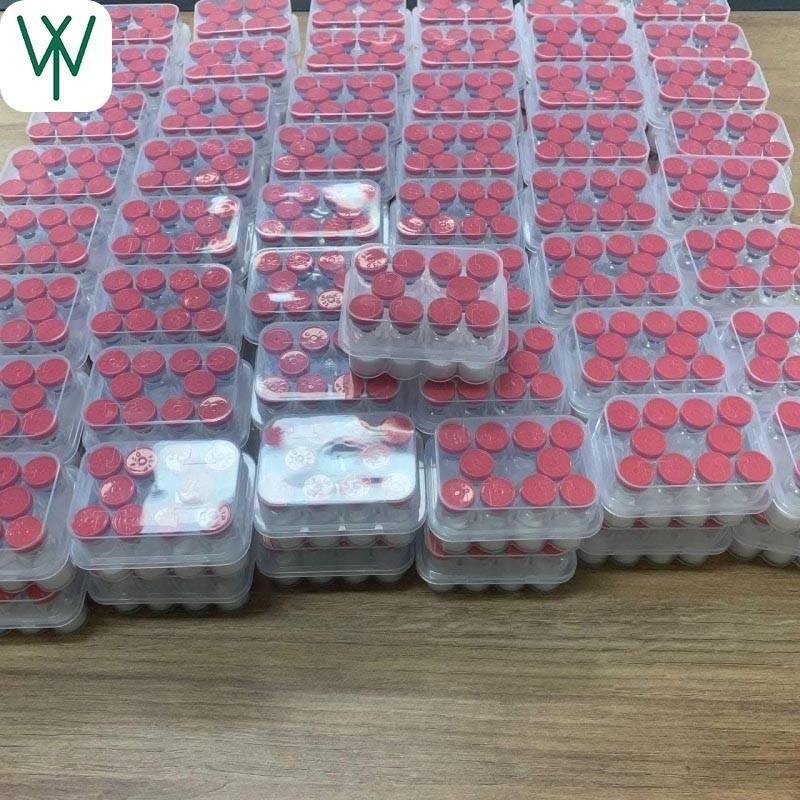
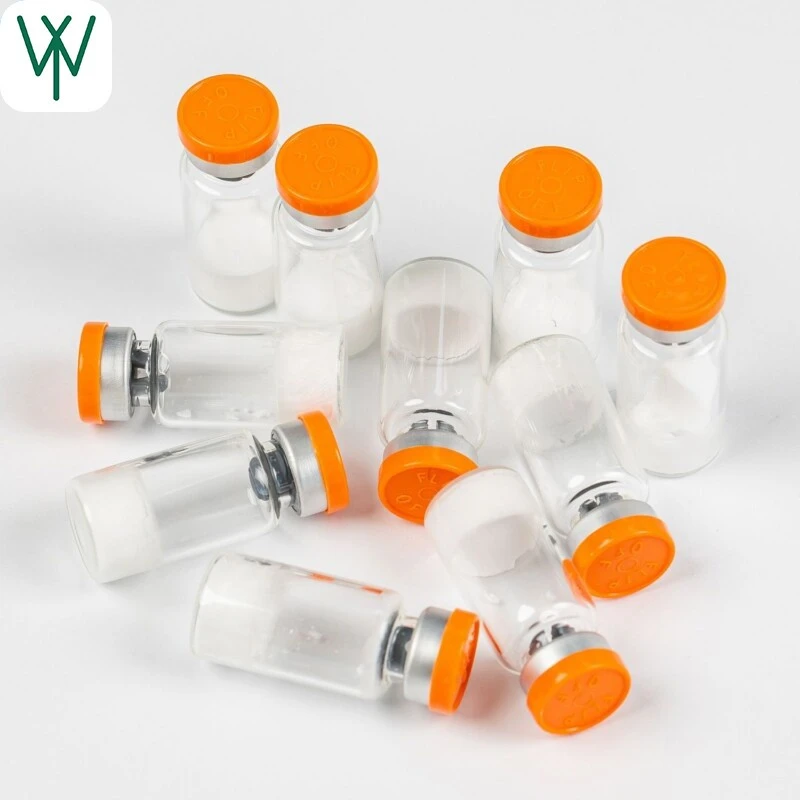
Wait, let’s talk about practical application for our suppliers and clinic partners, since that’s who this blog is really for (even if patients read it, it’s good to be clear). When we ship out our Tirzepatide 10mg 15mg 30mg 60mg Vial, we include a quick reference sheet that highlights the liver guidance from the FDA and clinical trial data. We make sure that’s clear, because we don’t want providers guessing about dosing. For patients with pre-existing liver issues, we always recommend starting at the lowest possible dose (usually 2.5mg, increasing gradually) and checking in with their provider every 4-6 weeks to do liver function tests. That’s a standard practice anyway, even for patients without liver issues, but it’s just more intentional for those with hepatic concerns.
Is there any scenario where you would adjust Tirzepatide for liver problems? Let’s be honest—medical science is always evolving, so we can’t say “never” outright. Right now, the only time there’s a suggestion to maybe adjust is if a patient has severe hepatic impairment (like Child-Pugh Class C), but even that’s based on limited data, not a formal recommendation. The FDA label for Tirzepatide says that dosage adjustment isn’t required for mild to moderate impairment, and there’s insufficient data for severe cases, so providers have to use their clinical judgment there. That’s why having open lines of communication with your peptide supplier is key—we’re always updating our resources with the latest research, and we can share real-world feedback from other clinics working with liver patients.
Let’s also address a common myth I see online: “Peptides are all the same, so if one needs adjusting, all do.” That’s totally false. Every peptide has a unique metabolism pathway. Cagritirze, for example, is another weight loss peptide, and its dosage for liver patients hasn’t been studied as much as Tirzepatide. If you’re curious about Cagritirze, you can check out 99% Purity Cagritirze Peptide 5+5mg 10+10mg 10 Vials to see its specs, but again, don’t mix it up with Tirzepatide’s liver guidelines. And if you’re wondering which peptide is most effective for fat loss overall, our site has a breakdown over at Most Effective Peptide for Fat Loss—spoiler, Tirzepatide is top of the list, and that ties into why providers trust it for patients with comorbidities like mild liver issues.
Now, let’s talk about what this means for our business as a supplier. We’ve had a lot of clinic partners reach out specifically asking for Tirzepatide that’s tested for purity and consistent dosing, especially because they’re seeing more patients with NAFLD who need weight management support. Our Tirzepatide Weight Loss Injection line is made with 99%+ purity, so clinics don’t have to worry about contaminants that could affect liver function on their own— that’s a big part of why our vials are in such high demand. We’ve also made sure that our dosage strengths (from 10mg up to 60mg) are clearly labeled, so providers can easily adjust based on a patient’s needs if needed, without any guesswork.
Another thing to keep in mind: patients with liver issues might also be on other medications, so drug interactions are another angle to consider. Tirzepatide doesn’t have major drug interactions with most common liver-related meds, but it’s still important for providers to do a full medication review before starting a patient. As a supplier, we can’t give medical advice, but we always remind our partners that if they have a question about interactions or dosing for liver patients, they should consult a pharmacologist or follow the FDA guidelines we include with every order.
Let’s wrap this up so it’s actionable. The short answer to the question “Does the Tirzepatide vial peptide dosage need to be adjusted for patients with liver problems?” is: not for mild to moderate liver impairment—clinical data supports keeping the standard dosing schedule, starting low and titrating up as needed. For severe liver impairment, there’s not enough data to make a formal recommendation, so providers should monitor closely and use clinical judgment. Always pair this with liver function tests, and don’t forget that Tirzepatide’s weight loss benefits might actually help improve liver health over time, which is a nice secondary effect.
If you’re a clinic, compounding pharmacy, or healthcare provider looking for reliable, high-purity Tirzepatide vials (including the 10mg, 15mg, 30mg, and 60mg strengths), or if you have questions about dosing for specific patient populations, hit us up to connect and chat through your needs. We’re here to make sure you have the resources and products to care for your patients safely and effectively.
References
- U.S. Food and Drug Administration. (2022). Trulicity (dulaglutide) and Mounjaro (tirzepatide) information. Retrieved from FDA.gov
- STEP 1 Research Group. (2021). Tirzepatide for weight management in adults with obesity or overweight. New England Journal of Medicine, 385(19), 1757-1771.
- SURFACE Study Group. (2020). Tirzepatide versus insulin glargine in type 2 diabetes and cardiovascular risk factors. New England Journal of Medicine, 383(19), 1831-1841.
- American Association for the Study of Liver Diseases. (2023). Non-alcoholic fatty liver disease and obesity management guidelines. Retrieved from AASLD.org
- Pharmacokinetics of Tirzepatide in Subjects with Hepatic Impairment. (2021). Clinical Pharmacology in Drug Development, 10(8), 945-954.