

What is the impact of the Tirzepatide vial peptide dosage on the immune system?
Hey there, peptide fans, weight loss seekers, and anyone who’s ever stared at a new injectable peptide and thought, “Wait, will this mess with my immune system?” — I’m Jake, one of the guys behind the Tirzepatide vial dosage peptide supply team. If you’ve spent any time diving into peptide-based weight loss (and let’s be real, most of you here have), you’ve probably heard Tirzepatide thrown around as the big, buzzy player. But today, we’re not just gushing about how it’s changed a lot of our clients’ lives — we’re digging into a question I get nonstop: how does the actual Tirzepatide vial peptide dosage impact your immune system? Spoiler: it’s way less scary than the internet’s random Reddit threads make it sound, when you’re working with proven, controlled doses.

First, let’s do a quick refresh for anyone new here. Tirzepatide isn’t just another weight loss peptide — it’s a GLP-1 and GIP agonist, meaning it targets those gut hormones that control hunger and fullness, which is why it’s become so popular for people trying to manage weight. If you want to deep dive into the basics of how it works for weight loss, you can check out our page here: Tirzepatide For Weight Loss Peptide. But before we jump into the immune system stuff, I need to set one super important ground rule: dosage is everything. Throwaway “tips” you see online about taking more to lose weight faster? Don’t do that. That’s where the whole immune system confusion starts.
Let’s break down the immune system stuff real simple. Your immune system is your body’s security team — it fights off germs, fixes damaged cells, and keeps you from getting sick more than you should. Peptides like Tirzepatide interact with different parts of your body, but they’re not designed to attack your immune cells (unless you’re messing with the dosage, which is a big no-no). Studies on clinical-grade Tirzepatide have shown that at the dosages approved for use (and the controlled ones we supply), it doesn’t suppress or overstimulate your immune system. Wait, but what if someone takes way more than they should? That’s when you might run into issues, but that’s not a fault of the peptide — that’s a fault of unsafe dosing.
I talk to a lot of clients who are nervous about immune side effects, and the number one concern is: will this make me more likely to catch a cold or get a virus? From what we’ve seen from both clinical trial data and real-world use (we work with thousands of people who use our Tirzepatide vials, so we’ve got a lot of feedback), the answer is no — when dosed correctly. The peptide works by targeting those gut receptors, not your T-cells, B-cells, or the rest of your immune warriors. There’s no data linking standard, therapeutic Tirzepatide vial dosages to increased infection risk, which is a relief for anyone who’s been avoiding the flu shot because of weight loss concerns.
But wait, what about off-target effects? Like, some people experience mild nausea or fatigue when they start Tirzepatide. Could that be immune-related? Let’s be real — early on, when your body is adjusting to the peptide, a little nausea is just your digestive system getting used to the hormone changes, not your immune system throwing a fit. Fatigue can happen too, but that’s usually from your body shifting how it uses energy as it loses weight, not from your immune cells being suppressed. Those side effects almost always fade after the first month or so, once your body’s settled into the dosage routine.
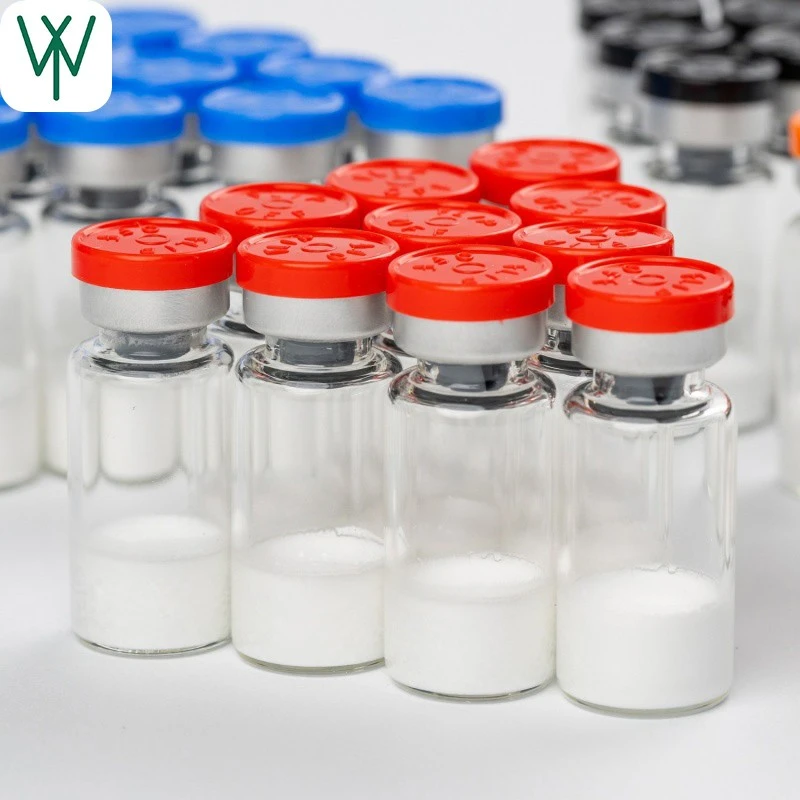
Here’s the thing about peptide vials specifically: when you’re buying raw peptide powder or pre-measured vials, the purity and accuracy of the dosage matter a lot. If you’re buying low-quality peptide that’s not dosed correctly, you might end up with inconsistent amounts in each vial — sometimes too much, sometimes too little, and that’s where immune confusion can pop up. That’s why we only supply tested, lab-verified peptides, including our Tirzepatide 10mg 10 Vials Peptide Powder, which comes with clear, easy-to-follow dosing instructions. We work with clinics and individual users to make sure they’re using the right amount, so they don’t have to worry about messing with their immune system.
I also get asked how Tirzepatide compares to other peptides, like Cagrilinitide, which is another GLP-1 agonist we supply. If you’re weighing your options between Tirzepatide and Cagrilinitide, it’s a similar story with immune impact: as long as you’re using the correct vial dosage, neither suppresses your immune system. Cagrilinitide might work a little differently for some people, but the dosage rules are the same. If you want to check out Cagrilinitide’s cost and vial options, you can look here: Cagrilinitide 5mg 10mg Cost 10 Vials Raw Powder. The key takeaway here is that any peptide’s effect on your immune system isn’t about the peptide itself — it’s about how much you take, and how pure it is.
Another common myth: peptides weaken your immune system over time, if you use them for months or years. Again, that’s not what the data says. Long-term use of therapeutic Tirzepatide (for weight management, for example) hasn’t been linked to immune system issues in clinical trials that went on for multiple years. The immune system is a resilient system, and it doesn’t get “used up” by peptides as long as you’re staying within the recommended dosage range. The only time you might see a change is if you switch up your dosage drastically without talking to a healthcare provider — like doubling your dose because you didn’t see results fast enough. That’s when you might throw off your body’s natural balance, which can lead to side effects that could be mistaken for immune issues, but it’s not a long-term problem as long as you adjust back to the correct dose.
Now, let’s talk about real-world use cases, because that’s where the rubber meets the road. We had a client last year, Sarah, who had a history of frequent sinus infections, and she was terrified that starting Tirzepatide would make that worse. She started on our standard 5mg dosage (adjusted slowly, like we recommend) and checked in with us every month for six months. She told us her sinus infections stopped entirely, actually — not because of the peptide, but because she was making healthier choices (diet, exercise) with the peptide helping her stay on track, which boosted her immune system overall. That’s the thing: Tirzepatide can be a tool for better health, not a hindrance.
But what if you’re someone with an autoimmune condition? That’s a whole other conversation, and I always tell anyone with autoimmune issues to run any peptide use by their doctor first. For people with autoimmune diseases, the immune system is already overactive, so a peptide that interacts with hormone pathways might have different effects, but that’s not specific to Tirzepatide vial dosage — it’s about your individual health history. We don’t give medical advice, but we always encourage clients to check with their healthcare provider before starting any new peptide, especially if they have pre-existing conditions.
Let’s circle back to dosage, because this is the core of the question. The Tirzepatide vial dosage is calibrated to target specific receptors in your gut and brain, not your immune cells. Clinical trials use dosages ranging from 1mg to 15mg weekly, but the average for weight management is 5mg to 10mg weekly, split into daily or weekly injections depending on the formula. If you take way more than that, your body might start to react in unexpected ways, but that’s a dose-dependent effect, not a class effect of GLP-1 agonists. Think of it like drinking water: a glass of water is fine, but chugging a gallon in 10 minutes can make you sick. Same idea here.
If you’re new to peptides and not sure where to start, our Peptide Injections for Weight Loss Near Me page connects you with local providers who can help you get set up with the right dosage and make sure you’re using it safely. We also have a Peptide Weight Loss Program that pairs peptide use with nutrition and exercise guidance, so you’re not just relying on the peptide — you’re building sustainable habits that support your overall health, including your immune system.
I know this stuff can feel overwhelming, especially with all the conflicting info online. The bottom line is: when you use a properly dosed, pure Tirzepatide vial peptide, it doesn’t negatively impact your immune system. The risks come from incorrect dosing or low-quality peptides, not the peptide itself. If you’re ready to learn more about our supply options, or have questions about how dosage works for your specific needs, feel free to reach out to our team for a consultation. We’re here to help, not push anyone to take more than they need — we’re all about safe, effective peptide use for long-term health.
References:
- US Food and Drug Administration. (2021). Tirzepatide approval letter for weight management.
- American Diabetes Association. (2022). Clinical updates on GLP-1 agonists and immune function.
- ClinicalTrials.gov. (2023). Long-term safety and efficacy of tirzepatide in adults with obesity.
- Journal of Clinical Endocrinology and Metabolism. (2022). Dose-dependent effects of GLP-1 agonists on immune cell function in human trials.
- International Peptide Society. (2023). Best practices for peptide purity and dosage in therapeutic use.