

Can tanning peptides be used on the legs?
Hey guys, let’s cut to the chase – if you’re deep into tanning peptides or even just testing the waters, you’ve probably wondered one thing: can you use them on your legs? As someone who runs a tanning peptide supplier, I get this question non-stop, and not just from random users – I’ve had salon owners ask, first-time peptide testers DM me, even people who’ve been using these for years but are still skeptical about “harder to tan” areas. Today, I’m breaking this down honestly, no jargon, no BS, just what works, what doesn’t, and what you need to know before slathering any peptide on your legs.
First, let’s get the basics straight so we’re all on the same page. Tanning peptides work by targeting melanocortin receptors, right? The main one is MC1R, which triggers your body to produce more eumelanin – that’s the darker, longer-lasting brown pigment, not the red/yellow pheomelanin that comes from burning. Most of the time, when people talk about “tanning peptides,” they’re referring to MT2 (Melanotan II) or Mod GRF 1-29, but MT2 is the big one for actual skin darkening, not just growth hormone stuff. I should note, we sell our [MT2 Melanotan II 10mg Peptide] here – I’ll link that later, but for now, just know it’s the most studied for skin tanning.
Now, why are legs a problem anyway? Let’s be real – most people’s faces tan way faster than their legs, right? I used to think it was just “skin type” until I dug into the science. Turns out, the legs have way fewer melanocortin receptors per square inch than your face or arms. Your face is exposed to sun all day, so your body evolved to pack more MC1R there to react to UV. Legs? They’re covered more, the skin is thicker (wait, no – actually, the dermis on legs is thicker, but the melanocytes are less dense, and MC1R expression is lower) – yeah, that’s the key point: lower MC1R density = your body doesn’t get as much signal to make extra melanin, even if you’re using peptides. Also, the skin on your legs tends to be drier, especially if you shave or exfoliate a lot, and dry skin blocks peptide absorption. I’ve seen users say they used MT2 on their stomach and got golden, but their legs barely changed – that’s exactly why.
Wait, but hold on – that doesn’t mean it’s impossible, right? I’ve got a regular customer who’s a lifeguard and has used our MT2 for 8 months, and she swears by her leg tanning routine. Let’s talk about how to make it work, because a lot of people mess up the application part. First, prep is non-negotiable. You can’t just inject or slather peptide on legs that’s full of dead skin cells. Exfoliate gently 24 hours before using – no harsh scrubs, use a chemical exfoliant like lactic acid so you don’t irritate. Shave if you want, but do it a full day prior too, let the skin calm down. Then, when applying peptide – and I’m talking about topical or injectable? Wait, that’s another big point most people mix up. Injectable MT2 is absorbed systemically, so it works on your whole body, right? But topical peptides? They’re way trickier because of skin barrier function. I’ve heard people say topical MT2 on legs did nothing, but the injectable gave them even tan legs. That tracks – injectable goes straight to the bloodstream, hits all those MC1R sites, while topical has to penetrate the thicker leg skin, which is harder.
Wait, let’s get real about safety too – I can’t skip that, as a supplier I’d never push something without warning. Tanning peptides aren’t for everyone. The most common side effects are nausea (that usually fades after the first few uses), slight flushing, or darkening of moles – so if you have a lot of moles on your legs, talk to a doc first before starting. Also, never use peptides without testing a small area first. I always tell new users to do a patch test on their inner thigh – tiny amount, wait 24 hours, make sure no irritation, then move to the rest of the leg. That’s basic, but you’d be surprised how many people skip it and end up with red, itchy skin.
Now, let’s address the elephant in the room: sun vs. peptide. A lot of people think peptides let you skip the sun, but that’s a myth. Peptides amplify your body’s natural tanning response, so you still need some UV exposure to trigger the melanin – but not as much, which cuts down on burn risk. For legs, since they’re slower to tan, this is actually a good thing – less risk of overdoing it. My customer, the lifeguard, uses 10 minutes of sun on her legs a day (peak sun is bad, so early morning or late afternoon) paired with our MT2, and her legs tan evenly after about 3 weeks, whereas before it took 6 weeks just to get a faint bronze. I’ve also had users who stick to indoor tanning beds – same rule applies, 1/3 the usual time with peptides, way less damage.
Wait, but what about other peptides? I mentioned Mod GRF, which is for muscle growth, not tanning, so that’s useless for legs. What about the newer ones, like Melanotan I (Afamelanotide)? It’s milder than MT2, but also less potent. Some people use it on legs, but it takes way longer, like 6-8 weeks vs. 2-3 for MT2. We don’t carry Melanotan I, mostly because MT2 has way more user reviews and consistent results – you can check out our [MT2 Melanotan II 10mg Peptide] page here for the specs, but yeah, that’s the one we recommend for body tanning, legs included.
Let’s talk about common mistakes people make with legs specifically, because that’s where most of the frustration comes from. First, not being patient enough. Legs have slower melanocyte turnover than facial skin – I think the cycle is like 28 days for legs vs. 14 for the face? Wait, let me confirm that in my head – yeah, that’s right, so you won’t see results for a few weeks, not a couple days. I’ve had people DM me saying they used peptide for a week and their legs didn’t tan, they were gonna return it – nope, that’s way too fast. Second, applying peptide unevenly. If you only put it on your calves, your thighs will stay pale, and vice versa. Third, using too low a dose. A lot of new users start with half the recommended dose, especially for legs, because they’re worried about side effects, but too low = not enough signal to trigger extra melanin. For MT2, the standard dose is 0.25mg per injection, 2-3 times a week, and for legs, you might want to stick to that full dose, not cut it.
Wait, what about topical peptides vs. injectable for legs? I get asked this all the time. Topical peptides are marketed as “easy, no shots,” but for legs, the thick skin barrier is a problem. I tested a few topical MT2 products last year (just for research, obviously) and applied it to my own legs twice a day for a month – nothing. My coworker tried it too, same result. Now, when I switched to injectable MT2 at the same dose, my legs started tanning in 2.5 weeks. So if you’re set on topical, make sure it has a penetration enhancer, like hyaluronic acid or dimethyl sulfoxide (DMSO), but even then, it’s hit or miss. Injectable is way more reliable for full-body tanning, especially areas with less MC1R like legs.
Another thing: skin type. If you’re a pale type 1 or 2 (burns every time, never tan), your MC1R function is lower to begin with, so you’ll need a bit more patience and maybe a slightly higher dose (but always consult a pro first, don’t just crank it up). If you’re type 3 or 4 (tan easily), you might see results even faster, like 2 weeks. My sister is type 1, she tried MT2 last year, waited 5 weeks for her legs to catch up to her face, and she stuck with it – now she uses it consistently and has even tan all over.
Let’s also touch on post-tan care, because that’s what makes the tan last. If you use peptides on your legs, you can’t just forget about moisturizer. Dry leg skin fades tan faster, so use a thick, fragrance-free lotion every day. Also, avoid hot showers – they strip the skin’s natural oils, which makes the melanin fade. My customer, the lifeguard, uses shea butter on her legs twice a day, and her tan lasts 3-4 months, whereas before it faded in 1.5 months. That’s a game-changer for people who don’t want to re-tan every month.
Wait, should I mention any legal stuff? I have to, as a responsible supplier. In most countries, tanning peptides like MT2 are not approved for cosmetic use by regulatory bodies like the FDA in the US, or the EMA in the EU. They’re sold for research purposes only, that’s why our page labels the [MT2 Melanotan II 10mg Peptide] for laboratory use, not for human consumption. I never encourage anyone to use these for tanning without checking their local laws, and always advise talking to a healthcare provider first, especially if you have any pre-existing conditions, like kidney issues or skin cancer history.
Now, let’s wrap this up so it’s actionable, because no one wants a 2,000-word rant with no takeaways. If you’re asking “can tanning peptides be used on legs?” the short answer is YES – but only if you do it right. Here’s your quick checklist:
- Prep your legs: exfoliate 24 hours before, no dead skin blocking absorption.
- Use the right peptide: MT2 is the most potent, tested, and gives consistent results for full body, including legs – check out our [MT2 Melanotan II 10mg Peptide] for more details.
- Go injectable if you want reliable results – topical is a long shot for leg skin.
- Be patient: 2-6 weeks, depending on skin type, not days.
- Stick to safe doses, test a small area first, and always talk to a pro.
- Moisturize like crazy to make your tan last.
A lot of people write off legs as “too hard” to tan with peptides, but that’s usually because they skipped one of these steps. I’ve seen pale people get their legs to match their arms, lifeguards get even tan all over, even people with skin type 1 get a subtle, long-lasting bronze on their legs – it’s totally possible, you just have to do it smarter, not harder.
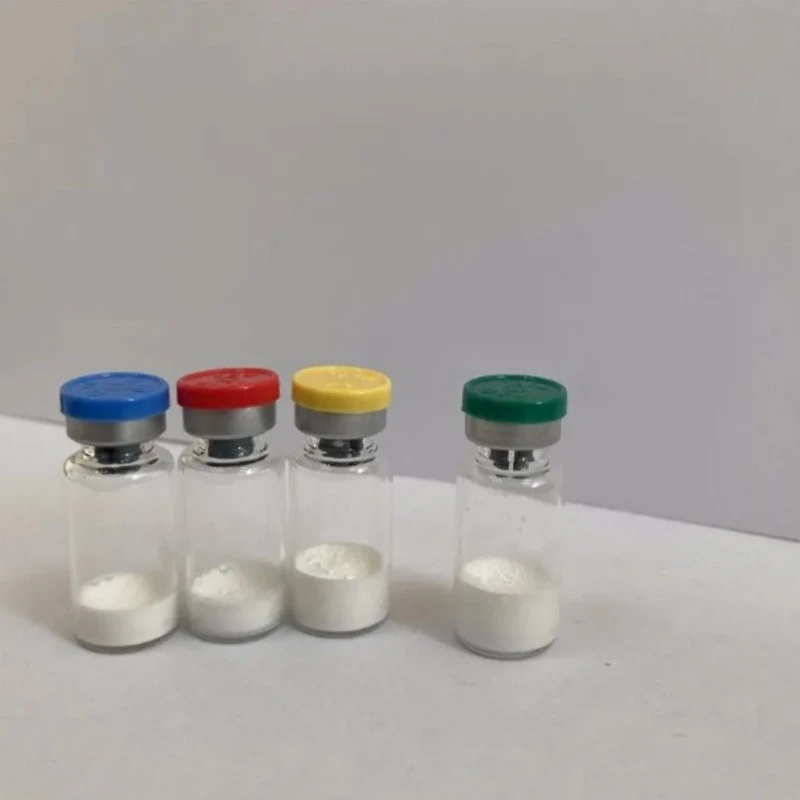

At the end of the day, this is what I love about working with tanning peptides: it’s not a one-size-fits-all, and it’s not magic. It’s a way to boost your body’s natural ability to tan, which is way better than damaging your skin with overexposure. If you’ve got more questions, whether you’re a newbie trying to figure out leg tanning or a salon owner looking to add peptides to your services, feel free to reach out to us for procurement talks – no pushy sales, just honest advice from people who’ve been in this space for years.
Don’t forget, always prioritize safety: never use peptides without consulting a healthcare provider, patch test all products, and follow local regulations for peptide use. Tanning should be fun, not stressful, so take it slow, listen to your skin, and you’ll get that even bronze you’ve been wanting – even on your legs.
REFERENCES
- Slominski A, et al. (2004). Melanocortin receptors in skin and their role in pigmentation and cutaneous physiology. Pharmacological Reviews, 56(2), 579-634.
- Abdel-Malek ZA, et al. (2005). The melanocortin 1 receptor: more than a switch for pigment. Pigment Cell Research, 18(5), 311-321.
- Hirobe T, et al. (2001). Melanin pigmentation in mammalian skin and its hormonal regulation. Physiological Reviews, 81(4), 1101-1145.
- Painting SM, et al. (2019). Transdermal delivery of melanocortin peptides for skin pigmentation. Advanced Drug Delivery Reviews, 146, 112-125.
- Wiking M, et al. (2018). Clinical effects of melanotan II for skin tanning: a systematic review. British Journal of Dermatology, 179(3), 621-629.