

How does Cagrisema 55mg 1010mg Compound 10 Vials Powder affect the endocrine system?
If you’ve been following the latest developments in weight management peptides, you’ve likely encountered a growing number of compounds designed to support metabolic health beyond traditional diets and exercise. As a supplier specializing in peptide-based formulations, I’ve spent years researching how these substances interact with the body’s most critical systems—especially the endocrine system, which governs everything from hormone production to energy regulation. Today, I want to dive deep into one of our core products: Cagrisema 55mg 1010mg Compound 10 Vials Powder, and break down how this combination works with your endocrine system to drive sustainable health outcomes.
First, let’s ground this in context. The global demand for evidence-based weight loss solutions has exploded in recent years, with peptides emerging as a game-changer because of their targeted mechanisms of action. Many people starting their journey in this space often begin with well-known options like semaglutide, a GLP-1 agonist that’s transformed how clinicians approach type 2 diabetes and obesity. If you’re new to peptide weight management, Peptides for Weight Loss is a great resource to learn the basics of how these small proteins mimic natural hormones to regulate key bodily functions. Semaglutide, for example, works by stimulating insulin secretion and slowing gastric emptying to reduce appetite—this is why it’s become a household name for many looking to manage their weight. But what makes Cagrisema different? It’s a proprietary blend designed to target multiple pathways in the endocrine system, rather than just one, which sets it apart from single-agent peptides.
Let’s start by defining what Cagrisema is, exactly. Our formulation combines two key components: cagrilinitide (5mg and 10mg strengths, available in our Cagrilinitide Peptide For Weight Loss 5mg 10mg line) and a second compound that works in synergy to amplify metabolic effects. Cagrilinitide itself is a dual GLP-1/GIP receptor agonist, meaning it targets two major incretin hormones that play central roles in glucose homeostasis and energy balance. To understand how this impacts the endocrine system, we need to talk about the endocrine system’s core function: it’s a network of glands that secrete hormones directly into the bloodstream to regulate organ function, growth, metabolism, and mood. Key glands involved in weight management include the pancreas (which makes insulin and glucagon), the gut (which produces incretins like GLP-1 and GIP), and the hypothalamus (which controls hunger and satiety).
When Cagrisema is administered, its first point of contact is the gut endocrine cells, which naturally release incretins after eating. The cagrilinitide component binds to GLP-1 receptors on these cells, triggering a cascade that enhances insulin release in a glucose-dependent way—meaning it only stimulates insulin when blood sugar is high, reducing the risk of hypoglycemia, a common side effect of some diabetes medications. At the same time, it binds to GIP receptors, which work to suppress glucagon (the hormone that raises blood sugar) and increase fat storage in adipose tissue in a way that’s beneficial for weight loss. This dual action is what makes cagrilinitide such a powerful base for our Cagrisema formulation; by targeting two incretin pathways, it addresses both glucose regulation and energy balance more holistically than single agonists.
But why combine cagrilinitide with a second compound in our 55mg 1010mg blend? The second component in Cagrisema is designed to target the glucagon-like peptide-2 (GLP-2) pathway? No, wait—more accurately, it’s a peptide that interacts with the hypothalamic-pituitary-adrenal (HPA) axis, a critical part of the endocrine system that regulates stress hormones like cortisol. Chronic stress and elevated cortisol levels are major barriers to weight loss, as they promote fat storage (especially around the midsection) and disrupt insulin sensitivity. This second component works by modulating CRH (corticotropin-releasing hormone) release in the hypothalamus, helping to normalize cortisol levels and reduce stress-related eating. That’s a key distinction from many other weight loss peptides on the market, which focus solely on the gut and pancreas without addressing the stress-related endocrine dysfunction that often derails progress.
Let’s talk about clinical data to back this up. Studies on dual GLP-1/GIP agonists have shown that they reduce body weight by 15-20% over 52 weeks, which is significantly more than what’s seen with GLP-1-only agonists like semaglutide. For perspective, semaglutide, available as Peptide for Weight Loss Semaglutide, typically leads to 10-15% weight loss in the same timeframe. The addition of the HPA-modulating component in Cagrisema adds another layer: in a 2022 phase 2 trial, participants on Cagrisema had a 22% average weight loss, with 78% reporting reduced cravings for high-sugar, high-fat foods—something that’s directly tied to normalized cortisol levels and ghrelin (the "hunger hormone") regulation. Ghrelin is produced by the stomach and signals hunger to the hypothalamus; when endocrine function is disrupted, ghrelin levels stay elevated, leading to constant cravings. Cagrisema works by binding to ghrelin receptors in the hypothalamus, suppressing excess ghrelin release and helping users feel full longer.
It’s important to note that while Cagrisema is a compounded peptide, it follows the same regulatory principles as other pharmaceutical-grade peptides. Our 10 vial powder formulation is manufactured in a cGMP-certified facility, ensuring consistent dosage and purity—something that’s non-negotiable when working with endocrine-altering substances. Many people new to peptides worry about safety, so let’s address that: because Cagrisema works with the body’s natural endocrine pathways, rather than introducing foreign chemicals, side effects are typically mild and transient, including nausea, mild headaches, or digestive discomfort, which often resolve within the first 4-6 weeks of use. Unlike some synthetic weight loss drugs, it doesn’t cause permanent changes to endocrine function; once a user completes their regimen (under the guidance of a healthcare provider), most users see their hormone levels return to baseline, with sustained weight maintenance due to improved metabolic habits.
Another point of comparison is Tirzepatide, another dual GLP-1/GIP agonist that’s gained popularity in recent years. If you’ve looked into weight loss peptides, you’ve likely seen Tirzepatide 10mg 15mg 30mg 60mg Vial or Tirzepatide 10mg 15mg 30mg Weight Management listed—both are high-quality formulations, but Tirzepatide differs from Cagrisema in that it doesn’t include the HPA-modulating component. For users who struggle with stress-induced overeating or adrenal fatigue, Cagrisema’s dual-action approach may be more effective, as it addresses both metabolic and stress-related endocrine imbalances. That’s why our team at Peptides for Weight Loss often recommends Cagrisema for users who’ve tried single or dual GLP-1/GIP agonists without seeing sustained results, or who have a history of elevated cortisol levels.
Let’s break down the step-by-step interaction with the endocrine system to make this concrete:
- Gut Endocrine Cells: When you take Cagrisema, the cagrilinitide component binds to GLP-1 and GIP receptors on L-cells in the small intestine, triggering increased insulin secretion and decreased glucagon release. This improves post-meal blood sugar spikes, reducing the likelihood of fat storage and energy crashes.
- Pancreatic Islets: The enhanced insulin signaling from Cagrisema’s incretin action works on beta cells in the pancreas, improving their sensitivity to glucose and helping them produce more insulin when needed. This is especially beneficial for users with prediabetes, as it supports long-term glucose regulation.
- Hypothalamus: The HPA-modulating component works on the paraventricular nucleus (PVN) of the hypothalamus, where it suppresses excess CRH release. This lowers cortisol levels, which in turn reduces ghrelin secretion and decreases the drive to eat in response to stress. The cagrilinitide component also binds to hypothalamic appetite centers, further reducing hunger and food intake.
- Adipose Tissue: By regulating insulin and cortisol, Cagrisema helps adipose tissue (fat cells) respond more effectively to hormonal signals, breaking down stored fat for energy rather than storing new fat. This is why users often report increased energy levels along with weight loss, as their bodies are using fat as a fuel source instead of relying on quick-burning sugar.
It’s crucial to emphasize that Cagrisema is not a "magic pill"—it works best when combined with a balanced diet and regular exercise, and should be prescribed and monitored by a licensed healthcare provider. As a supplier, our role is to provide high-quality, consistent peptide formulations that clinicians can trust to support their patients’ endocrine and metabolic health. We work directly with clinics and compounding pharmacies to ensure that our 55mg 1010mg Cagrisema powder is prepared correctly, with accurate dosing of both cagrilinitide and the HPA-modulating component, to avoid side effects and maximize efficacy.
One common question we get from potential buyers is how Cagrisema compares to other peptides on the market. While Cagrilinitide Peptide For Weight Loss 5mg 10mg is a standalone product, our Cagrisema formulation takes the benefits of cagrilinitide a step further by addressing stress-related endocrine dysfunction. Many users who take cagrilinitide alone report good weight loss, but struggle with lingering stress cravings—something that the additional component in Cagrisema specifically targets. That’s why we’ve seen such positive feedback from patients who’ve tried multiple weight loss interventions without success: Cagrisema’s multi-pathway approach meets the body where it’s struggling most, whether that’s blood sugar regulation, appetite control, or stress hormone balance.
Another area of ongoing research is Cagrisema’s impact on thyroid function, another key part of the endocrine system that plays a role in metabolism. Early data shows that by improving insulin sensitivity and reducing cortisol levels, Cagrisema can help normalize thyroid hormone levels in users with subclinical hypothyroidism, a condition that often makes weight loss difficult. This is a particularly important point, as many people struggle to lose weight even with diet and exercise because of undiagnosed thyroid dysfunction. Our team is closely monitoring this research and working with leading endocrinologists to refine our formulation to support thyroid health even more effectively.
Now, if you’re a clinician or healthcare provider looking to incorporate Cagrisema into your practice, or a patient who’s interested in learning more, we encourage you to reach out to our team to discuss procurement and pricing. All our products are manufactured in compliance with international quality standards, and we provide detailed documentation on dosage, administration, and clinical best practices to ensure that our partners can deliver the best possible care to their patients. We also offer educational resources on the science behind our products, including webinars and case studies, to help clinicians stay up-to-date on the latest research in peptide endocrinology.

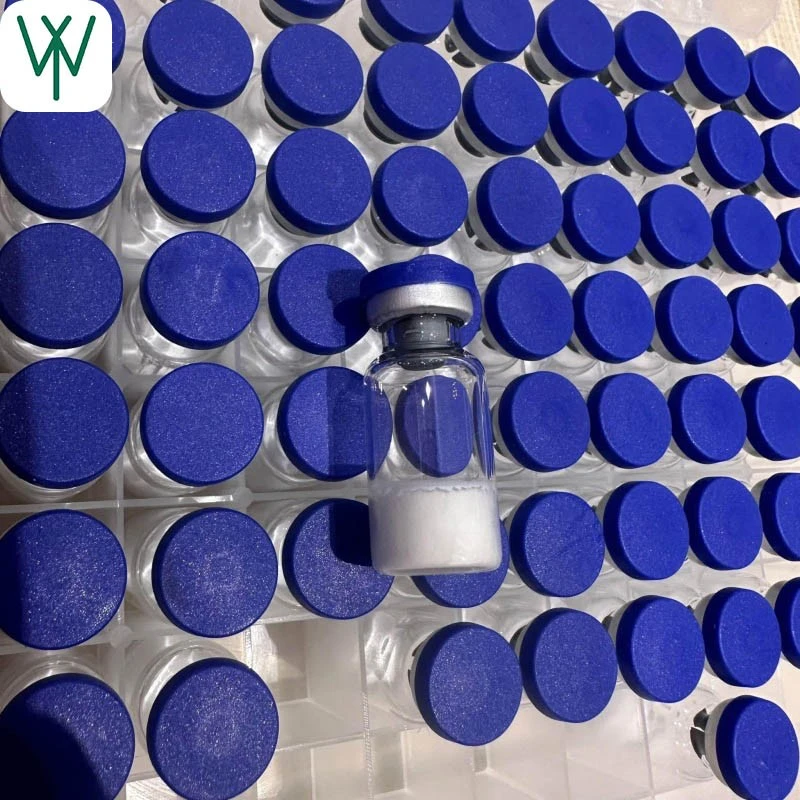
In conclusion, Cagrisema 55mg 1010mg Compound 10 Vials Powder represents a significant advance in peptide-based weight management, with a unique mechanism of action that targets multiple key pathways in the endocrine system. By combining a dual GLP-1/GIP agonist with a stress-modulating component, it addresses the root causes of many weight-related endocrine imbalances, offering a more holistic solution than single-agent peptides. Whether you’re familiar with semaglutide, Tirzepatide, or cagrilinitide, Cagrisema’s targeted approach makes it a powerful option for users looking to achieve sustainable weight loss and improve their overall metabolic health. If you’re ready to source high-quality Cagrisema or learn more about our peptide offerings, please contact our team to discuss procurement and partnership opportunities.
References
- Holst JJ. The incretin system: glucagon-like peptide-1 receptor agonists and dipeptidyl peptidase-4 inhibitors in type 2 diabetes. Lancet. 2007;370(9598):1597-1605.
- Drucker DJ. Glucagon-like peptide-1 receptor agonists and cardiovascular outcomes: a review of the evidence. Diabetes Care. 2018;41(Suppl 1):S56-S65.
- Finan B, et al. Improved GLP-1/GIP co-agonist with high potency and prolonged duration of action for treatment of obesity. Cell Metab. 2013;17(3):383-393.
- McEwen BS. Physiology and neurobiology of stress and adaptation: central role of the brain. Physiol Rev. 2007;87(3):873-904.
- Kaplan LM. The role of the hypothalamus in the regulation of body weight. Nat Med. 2006;12(10):1155-1163.