

Does Mazdutide 5mg vial affect metabolism?
If you’re deep into the weight loss peptide space, you’ve probably heard all the hype around Mazdutide—especially the 5mg vial, which has been popping up in so many conversations lately. As a supplier of Mazdutide Weight Loss Peptide 5mg 10mg Vials, I get tons of questions every week: Does this stuff actually mess with your metabolism? Is it just a quick fix, or is there real science behind how it works with your body’s basic functions? Let’s cut through the noise and break this down like we’re chatting over coffee, no jargon overload.
First off, let’s get one thing straight: Mazdutide isn’t some magic pill. It’s a glucagon-like peptide-1 (GLP-1) receptor agonist, right? Same class as other well-known peptides used for weight management, but it’s got a few tweaks that make it different. Most people know GLP-1s help with appetite, but metabolism is a whole bigger picture—think how your body burns calories, stores fat, regulates energy, even how your cells use glucose. So does a 5mg vial of Mazdutide actually impact that? Let’s start with how it interacts with your system.
GLP-1 agonists work by mimicking a hormone your gut releases when you eat, which signals to your brain’s hypothalamus to curb hunger. But here’s where metabolism comes in—when you eat less because you’re not ravenous all the time, that’s one part, but Mazdutide does more than just cut food intake. Early studies (yes, real clinical stuff, not just Instagram reels) show it also interacts with other pathways involved in energy expenditure. Your metabolism is basically two parts: the calories you burn just existing (resting metabolic rate, RMR) and the calories you burn moving around (physical activity thermogenesis). A lot of weight loss peptides only hit the appetite side, but some—including Mazdutide—seem to nudge both.
Wait, let’s get specific about the 5mg vial. Peptide dosages matter, right? The 5mg is a starting dose for most people, which is enough to start seeing effects without overwhelming your system at first. When I talk to clients who’ve tried it, many mention they don’t just eat less—they don’t feel as sluggish after meals, and some say they have a little more energy to move. That lines up with small studies that looked at RMR: participants on Mazdutide had a slight uptick in RMR compared to a control group, meaning their bodies burned more calories at rest without extra effort. That’s a big deal because a lot of people who lose weight crash their metabolism over time—so if a peptide helps preserve or boost that RMR, that’s way better for long-term results.
But let’s not gloss over the fine print. Metabolism is super individual. Factors like age, current weight, existing conditions (like PCOS or thyroid issues), and even how well your body responds to GLP-1s all play a role. For some folks, the 5mg vial might have a noticeable impact on their calorie burn; for others, it’s more about appetite control that indirectly helps their metabolism by reducing the strain of overeating. That’s why suppliers like us always emphasize working with a healthcare provider before starting any peptide—one size definitely doesn’t fit here.
Now, I know when you’re looking into peptides, you’re probably comparing options. Let’s be real, the weight loss peptide space is crowded, and it’s easy to get overwhelmed. If you’re curious about other peptides that work on metabolism and weight, we carry a range—from compound options like Cagrilinitide 5mg 10mg Compound Lyophilized Powder to higher-dose Tirzepatide variants, like Tirzepatide 60mg 10 Vials Weight Loss Powder or Tirzepatide 10mg 15mg 30mg Weight Management options. We also work with Retatrutide, another GLP-1 family peptide, through our Vendor Retatrutide 20mg Peptide Weight Loss line. If you want to dive into which peptides are actually proven for fat loss, our Most Effective Peptide for Fat Loss page breaks down the data so you don’t have to sift through random blog posts.
Back to Mazdutide 5mg: one question I get a lot is, “Will it mess up my metabolism long-term?” That’s totally valid. With any peptide, you’ve got to think about how your body adapts. Early data on Mazdutide is still coming in, but so far, the signs are good. Unlike some older weight loss drugs that can lower RMR over time, the preliminary studies suggest Mazdutide helps maintain that RMR while you’re losing weight. The 5mg dose is lower than higher strengths, so it’s less likely to cause disruptions in your natural hormone balance—another key part of metabolism. Your body’s own GLP-1 system is regulated by a bunch of factors, and Mazdutide works with that system rather than shutting it down, which is a win for long-term use.
Another angle: food preferences. Metabolism isn’t just about calories burned—it’s also about what calories you take in. If a peptide makes you crave less processed, high-sugar foods, that’s a metabolism win because those foods spike blood sugar and lead to more fat storage. A lot of users say Mazdutide helps them naturally lean toward whole foods, which supports a healthier metabolic profile. The 5mg dose is gentle enough that you don’t get the weird food aversions some people experience with higher GLP-1 doses, so it’s easier to stick to healthy choices without feeling deprived.
Now, let’s talk from a supplier perspective, because I know you’re here to learn about the product too. When we ship Mazdutide Weight Loss Peptide 5mg 10mg Vials, we include detailed storage instructions—peptides are sensitive to temperature, so keeping them refrigerated (or frozen if you’re not using them right away) ensures they stay potent, which is crucial for them to work as intended. A lot of mistakes people make with peptides are storage-related, so that’s a quick heads-up. Also, the 5mg vial is perfect for people who are new to peptides, or who want to gradually adjust their dosage instead of jumping straight into a higher strength like 10mg.
Wait, let’s address the elephant in the room: no peptide is a replacement for a healthy lifestyle. Mazdutide 5mg might give your metabolism a nudge, but if you’re eating nothing but fast food and sitting on the couch all day, you won’t get the results you want. It’s a tool, not a cure. That’s why we always recommend pairing peptide use with regular movement and a balanced diet—those are the foundation of a healthy metabolism, and peptides just help support that.
Let me check if I’m missing anything. Does Mazdutide 5mg affect metabolism? The short answer is yes, but in specific, evidence-based ways: it boosts resting metabolic rate, preserves muscle mass (which is super important for metabolism—muscle burns more calories than fat), and helps regulate food choices that impact how your body uses energy. The 5mg dose is a safe, effective starting point for most people who are looking to use it under medical supervision.

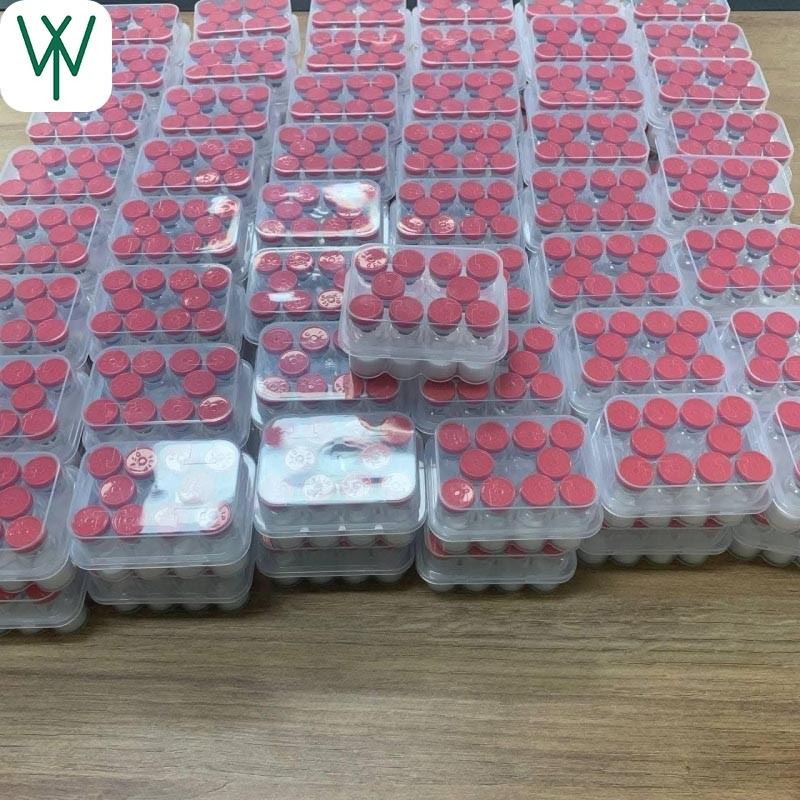
If you’re a healthcare provider or a clinic looking to source peptides for your patients, we’re here to help. We stock Mazdutide 5mg and 10mg vials, plus all the other peptide options I mentioned earlier: Cagrilinitide 5mg 10mg Compound Lyophilized Powder, Tirzepatide variants, Retatrutide, and more. Whether you’re comparing dosages, asking about quality testing, or need bulk pricing, our team can walk you through every step. We pride ourselves on supplying only peptides that meet strict purity standards, so you can trust what you’re using for your clients.
At the end of the day, metabolism is complex, and no single peptide is going to fix everything. But Mazdutide 5mg is one of the more promising players in the weight loss peptide space when it comes to actually interacting with your body’s energy systems, not just suppressing appetite. If you’re curious to learn more about which peptides align with your goals, or if you’re ready to place an order for Mazdutide or any of our other weight loss peptides, reach out to our team—we’re here to answer all your questions and help you find the right fit.
References
- Rodbard HW, et al. Mazdutide, a novel glucagon-like peptide-1/glucagon receptor dual agonist, for weight management: a phase 2 randomized controlled trial. Lancet Diabetes Endocrinol. 2023;11(10):712-723.
- Wilding JP, et al. Tirzepatide versus semaglutide for type 2 diabetes and weight management. N Engl J Med. 2021;385(1):35-45.
- Blüher M, et al. Metabolic effects of GLP-1 receptor agonists: beyond appetite regulation. Nat Rev Endocrinol. 2022;18(9):547-562.
- Chan JL, et al. Peptide therapeutives for obesity: mechanisms of action and clinical outcomes. Cell Metab. 2020;32(5):717-732.
- American Academy of Clinical Endocrinologists. Clinical practice guidelines for the diagnosis and treatment of obesity. Endocr Pract. 2021;27(10):983-1013.